
Choosing contraception is a deeply personal decision, yet many Canadians find themselves overwhelmed. For some, the sheer number of options available is daunting. Others are simply unsure where to begin.
Much like other aspects of health, reproductive health can often be overlooked until it becomes urgent. That’s why proactive planning can make a significant difference in long-term wellbeing. Pregnancy can occur even when it’s least expected, and without the right information, individuals may feel unprepared or anxious about their choices.
What’s important to know is that birth control options in Canada are safe, diverse, and widely accessible, with pharmacists playing an increasingly important role in education, guidance, and ongoing support. In fact, in some provinces, pharmacists can prescribe contraception.
Whether you’re starting birth control for the first time, reassessing your current method, or seeking emergency contraception, early awareness and informed decision-making are key.
In this guide, we’ll explore the types of birth control available in Canada, how they work, their effectiveness, and costs. Remember, PharmaChoice pharmacists are readily available to help with symptoms, side effects, medication reviews, refills, and personalized recommendations, so you can feel confident, supported, and empowered in your reproductive health decisions.
Hormonal Birth Control Methods
Hormonal contraception is one of the most commonly used birth control approaches in Canada. These methods work by altering natural hormone levels to prevent pregnancy and, for many people, offer additional health benefits beyond contraception.
Hormonal methods are often chosen for their high effectiveness, predictability, and ability to regulate menstrual cycles. They may also help manage conditions such as acne, painful periods, heavy bleeding, and symptoms of polycystic ovary syndrome (PCOS).
However, like all medications, hormonal birth control is not one-size-fits-all. Individual health history, lifestyle, and personal preferences play an important role in determining which option is most appropriate.
 How Birth Control Pills Work
Birth control pills prevent pregnancy primarily by suppressing ovulation, meaning the ovaries do not release an egg. They also thicken cervical mucus, making it more difficult for sperm to reach an egg, and thin the uterine lining, reducing the chance of implantation.
When taken correctly (at the same time every day) birth control pills are over 99% effective. With typical use, effectiveness is closer to 91%, largely due to missed or late doses. Consistency is key, and pharmacists often help patients develop strategies to improve daily adherence.
Beyond pregnancy prevention, many people use birth control pills to manage menstrual symptoms. Reduced cramping, lighter periods, and improved cycle predictability are commonly reported benefits.
Types of Birth Control Pills
There are two main categories of oral contraceptives available in Canada:
- Combination pills: Oral contraceptives, such as Brevicon, Mirvala, and Alesse, contain both estrogen and progestin. They are the most commonly prescribed and may offer additional benefits such as improved acne and cycle regulation.
- Progestin-only pills (mini-pills): Oral contraceptives, such as Slynd, do not contain estrogen and are often recommended for individuals who are breastfeeding, sensitive to estrogen, or have certain medical conditions. Progestin-only pills must be taken at the same time every day for maximum effectiveness, making pharmacist guidance especially valuable for proper use.
Getting Birth Control Pills Through Your Pharmacy
In Canada, birth control pills typically require a prescription from a healthcare provider, though in some provinces your pharmacist can prescribe contraception. Once prescribed, your local pharmacy becomes your primary support hub.
Pharmacists can help with:
- Explaining how and when to take your pill
- Managing side effects or missed doses
- Coordinating refills and prescription transfers
- Ensuring your birth control doesn’t interact with other medications
Many pharmacies also offer automatic refills and convenient pickup or delivery, making it easier to stay consistent and protected.
 Hormonal IUDs
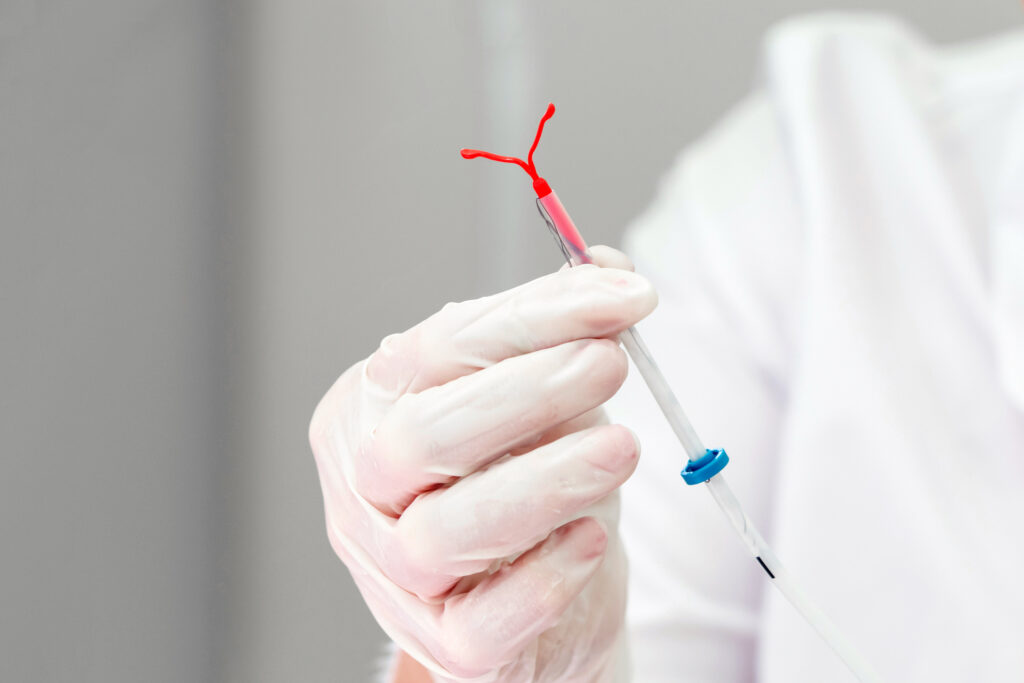
Hormonal intrauterine devices (IUDs) are among the most effective forms of birth control available. These small, T-shaped devices are inserted into the uterus by a trained healthcare provider and release a low, steady dose of progestin.
Hormonal IUDs work primarily by thickening cervical mucus and thinning the uterine lining. In some individuals, they may also suppress ovulation.
One of their greatest advantages is longevity. Depending on the brand, hormonal IUDs can provide protection for 3 to 8 years, making them ideal for those seeking low-maintenance contraception.
Hormonal IUDs may be a good option if you:
- Want long-term, reversible birth control
- Prefer not to take daily medication
- Experience heavy or painful periods (many users report lighter or absent periods)
Pharmacists can help explain what to expect, address concerns about hormones, and coordinate follow-up care with prescribers.
 Patches, Rings, Implants, and Injections
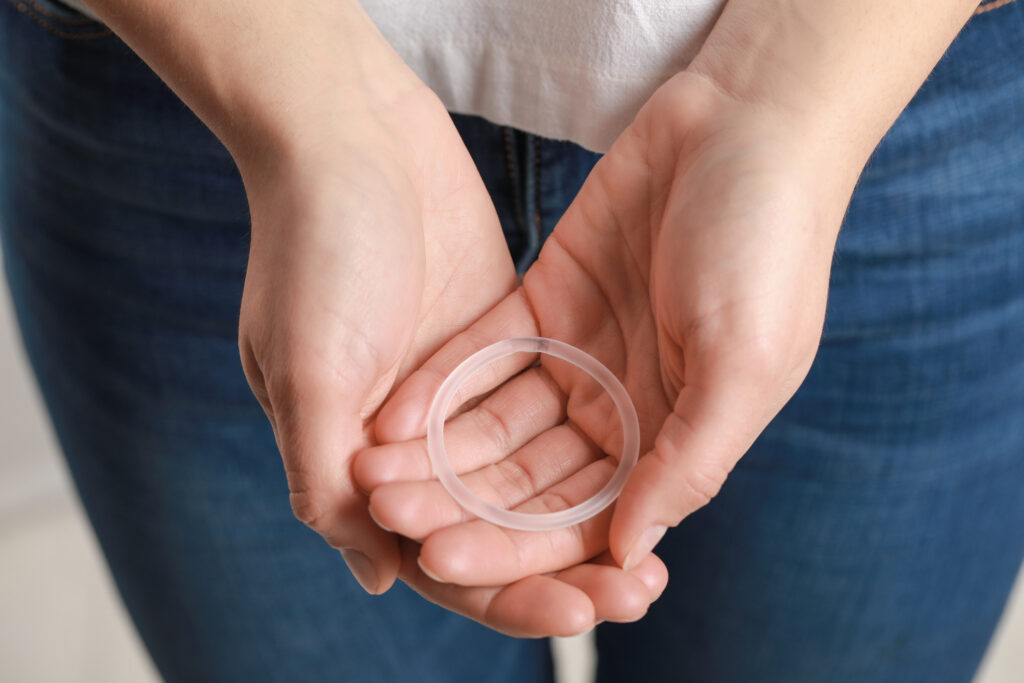
For those who prefer alternatives to daily pills, hormonal contraception also includes patches, vaginal rings, and injections.
Birth Control Patches
A thin adhesive patch, such as Evra, is worn on the skin and releases estrogen and progestin into the bloodstream, preventing ovulation and thickening cervical mucus. The patch is replaced weekly for three weeks, followed by one patch-free week.
Vaginal Rings
A flexible ring, such as NuvaRing, is inserted into the vagina, and slowly releases estrogen and progestin, which stop ovulation and thicken cervical mucus. It is left in place for three weeks (the woman inserts and removes the ring herself) and removed for one week.
Hormonal Implants
A small rod inserted under the skin of the upper arm releases progestin continuously, preventing ovulation and thickening cervical mucus. The implant, such as Nexplanon, provides long-term contraception for up to 3 years.
Hormonal Injections
An injection of progestin, such as Depo-Provera is administered into a muscle every three months and suppresses ovulation and thickens cervical mucus, preventing sperm from reaching an egg.
These options offer flexibility while maintaining strong effectiveness. Pharmacists frequently answer questions about proper use, missed doses, and side effects, helping patients choose a method that fits their routine.
Non-Hormonal Birth Control Options
Non-hormonal contraception appeals to individuals who prefer to avoid hormones or cannot use them for medical reasons. These methods vary widely in effectiveness, convenience, and user involvement.
While some non-hormonal options require more planning or consistency, they can be excellent choices when used correctly and thoughtfully.
Copper IUDs
Copper IUDs are a highly effective, hormone-free option that can prevent pregnancy for up to 10 years. Copper creates an environment that is toxic to sperm, preventing fertilization.
Advantages include:
- No hormones
- Long-term protection
- Immediate return to fertility after removal
Some individuals may experience heavier or more painful periods initially. Pharmacists can provide guidance on managing symptoms and what to expect during the adjustment period.
Barrier Methods
Barrier methods physically prevent sperm from reaching an egg. These include:
- External and internal condoms
- Diaphragms and cervical caps
Condoms are the only method that also protects against sexually transmitted infections (STIs). Many barrier methods are available over the counter, making them easily accessible through pharmacies.
Pharmacists can advise on proper use, sizing, and combining barrier methods with other forms of contraception for added protection.
Fertility Awareness Methods
Fertility awareness methods involve tracking ovulation through menstrual cycles, body temperature, and cervical mucus. These methods require education, consistency, and daily attention.
Effectiveness varies significantly and depends on correct use. Pharmacists can help determine whether this approach aligns with your lifestyle and family planning goals.
Emergency Contraception in Canada
Emergency contraception (EC) is used after unprotected sex or contraceptive failure to prevent pregnancy. It works best when taken as soon as possible.
In Canada:
- Emergency pills such as Backup Plan Onestep (levonorgestrel) are available without a prescription and may be located behind the counter or on the pharmacy shelf depending on your province
- A ulipristal acetates such as Ella requires a prescription and may be effective for a longer window. In some provinces your pharmacist can prescribe Ella.
- Copper IUDs, such as FlexiT, Liberté, or Mona Lisa, are a less common option used as emergency contraception
Pharmacists play a critical role in timely access, explaining options, effectiveness windows, and what to expect afterward. All with discretion and compassion.
How Our Pharmacists Support Your Birth Control Decisions
At PharmaChoice, pharmacists do more than dispense medications, they are trusted healthcare partners.
Support includes:
- One-on-one consultations
- Reviewing side effects and interactions
- Helping manage missed doses
- Coordinating refills, transfers, and delivery
- Providing private, judgment-free care
Your questions are always welcome, and conversations remain confidential.
Choosing the Right Birth Control for You
Choosing birth control is about more than effectiveness.
Consider:
- Your lifestyle and routine
- Side effect tolerance
- Medical history
- Reproductive goals
You don’t have to decide alone. Speaking with a pharmacist can clarify options, address concerns, and empower you to make an informed choice that feels right for you.
People Also Ask
What birth control options are available in Canada?
Canada offers hormonal, non-hormonal, emergency, and long-acting reversible contraception.
How effective are different birth control methods in Canada?
Effectiveness ranges from over 99% (IUDs) to lower rates with typical use of barrier or fertility awareness methods.
Is birth control free in Canada?
Coverage varies by province, age, and insurance plan. Pharmacists can help review costs and coverage.
How do I choose the best birth control method for me in Canada?
Personal health, lifestyle, and goals matter. Pharmacist consultations are a great starting point.
Where can I get birth control prescriptions in Canada?
Birth control is available through doctors, clinics, and your local pharmacy.
Visit Your Local PharmaChoice Pharmacy for Birth Control Guidance and Information
Birth control decisions are personal. You deserve accurate information, compassionate care, and ongoing support. Whether you’re exploring options, managing side effects, or simply need reassurance, PharmaChoice pharmacists are here to help every step of the way.
You’re not alone in navigating reproductive health. With trusted guidance, accessible services, and a commitment to helping Canadians live their best lives PharmaChoice, is proud to support your journey.
Visit or contact your local PharmaChoice pharmacy today to start a conversation that puts your health, comfort, and confidence first.