

You’re a healthy adult, you exercise regularly, and you rarely get sick. Vaccines? Those were something you worried about as a child, right?
That’s a common assumption. But consider this: a 52-year-old professional with no major health conditions develops shingles, leaving them with months of nerve pain. Another adult catches whooping cough (pertussis) and unknowingly spreads it to a newborn family member. Meanwhile, thousands of Canadians each year are hospitalized with influenza or pneumococcal infections, many of which could have been prevented through routine adult vaccines.
Adult vaccines are one of the most overlooked aspects of preventive healthcare. While childhood immunization programs receive a lot of attention, adult immunizations are equally important for maintaining protection throughout life. Immunity from earlier vaccines can decrease over time, new vaccines become available, and life circumstances such as travel, aging, pregnancy, or chronic illness may change which vaccines a person needs.
Yet many adults fall behind on recommended vaccinations without realizing it. According to the Public Health Agency of Canada, staying up to date with adult vaccines significantly reduces the risk of severe illness, hospitalization, and death from vaccine-preventable diseases.
Understanding which vaccines adults need, why they matter, and how to access them is an essential part of protecting your long-term health.
What Are Adult Vaccines?
Adult vaccines (also called adult immunizations) are vaccines recommended for individuals aged 18 and older to protect against infectious diseases that can occur or re-emerge during adulthood. While many vaccines are first administered in childhood, immunity does not always last a lifetime, and additional protection may be required later in life.
Vaccines work by training the immune system to recognize and fight harmful pathogens such as viruses and bacteria. Over time, however, the immune response generated by some vaccines can weaken. This phenomenon is known as waning immunity, and is one reason adults need booster shots for diseases like tetanus or pertussis. As well, certain infections such as shingles occur due to reactivation of viruses that remain dormant in the body.
Adult immunizations typically fall into three categories:
- Routine vaccines: recommended for all adults at certain intervals (for example tetanus and boosters).
- Seasonal vaccines: administered annually, such as the influenza vaccine.
- Situational vaccines: recommended based on lifestyle, travel, occupation, or health conditions.
For example, someone planning international travel may need vaccines against diseases uncommon in Canada, while healthcare workers may require additional immunization to protect vulnerable patients.
Most importantly, staying current with adult immunizations helps maintain protection against diseases that can become more dangerous with age. Preventive care does not stop after childhood; it evolves throughout adulthood as health risks change.
According to HealthLinkBC, “Keeping up with your immunizations as an adult is the best way to protect yourself from certain diseases and helps you stay healthy throughout your life. When you get immunized, you help protect others too.”
Who Is at Risk of Falling Behind on Adult Vaccines?
Many adults assume vaccines are only necessary during childhood. As a result, vaccination gaps can occur gradually over decades without individuals realizing they are under-protected.
Determining if you may be at risk helps identify opportunities for preventive care and updated immunizations.
Do All Adults Need Vaccines?
Yes. Vaccination is recommended throughout adulthood, even for individuals who received complete childhood immunizations.
Adult vaccinations are necessary due to several factors:
- Waning immunity from earlier vaccines.
- Increased susceptibility to infections with aging.
- New vaccines developed after childhood.
- Changing health risks across life stages.
For example, tetanus boosters are recommended every 10 years, and adults may need vaccines such as shingles or pneumococcal as they age.
Unsure where you stand? The National Institute of Aging provides A Guide to Vaccines for Older Canadians. Even healthy adults benefit from staying current on vaccinations because preventable infections can still cause severe illness, hospitalization, or long-term complications.
Are some adults more at risk than others?
Certain groups face higher risks if they fall behind on recommended vaccines.
Older Adults
As people age, the immune system naturally weakens. This process is called immunosenescence. This makes infections such as influenza and pneumococcal disease more dangerous for individuals over age 65, and shingles more dangerous for those over 50.
People with Chronic Conditions
Adults with chronic conditions may experience more severe complications from infections, making vaccination especially important. Some conditions include:
- Diabetes
- Heart disease
- Lung disease
- Kidney disease
Pregnant Individuals
Vaccines during pregnancy (such as Tdap) help protect both the parent and newborn baby from serious illnesses like pertussis.
Caregivers and Healthcare Workers
Those who care for infants, elderly adults, or medically vulnerable individuals have an increased responsibility to stay vaccinated to reduce disease transmission.
Travellers
Consulting a healthcare professional before travel ensures appropriate protection. International travel may expose individuals to diseases uncommon in Canada, including hepatitis A, typhoid, yellow fever, or Japanese encephalitis.
Common Adult Vaccines: What Are They and Why Do We Need Them?
A number of vaccines are commonly recommended for adults to maintain immunity and prevent serious illness.
Influenza (Flu) Vaccine
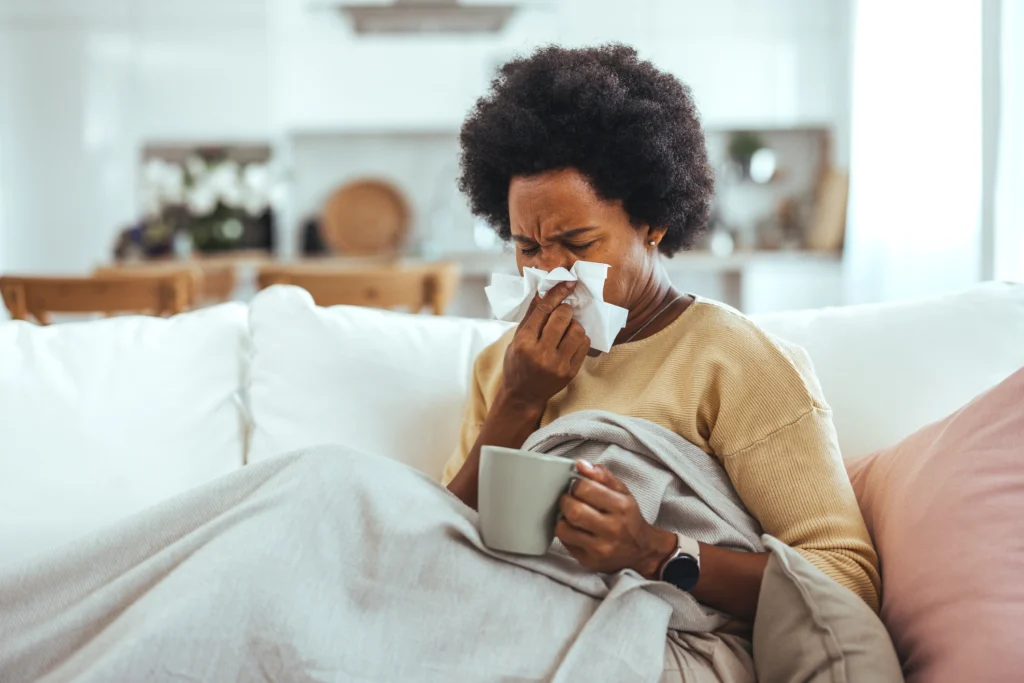
Influenza is a highly contagious respiratory virus that circulates seasonally, typically during fall and winter. Although many people recover within a week or two, flu infections can lead to severe complications, particularly in older adults and those with chronic conditions.
Annual vaccination is recommended because influenza viruses mutate frequently, and vaccine formulations are updated each year to match circulating strains.
According to the World Health Organization, influenza vaccination reduces the risk of severe disease, hospitalization, and death. Common vaccines include Fluzone and for seniors, Fluad.
COVID-19 Vaccines
COVID-19 vaccines have become an essential part of adult immunization programs worldwide. These vaccines help prevent severe illness, hospitalization, and complications associated with the virus.
Annual Covid-19 vaccines are recommended periodically to maintain immunity, particularly for older adults or individuals with compromised immune systems.
Evidence consistently shows that vaccinated individuals have significantly lower rates of severe disease and death compared with those who are unvaccinated. Common vaccines include Moderna and Pfizer.
Respiratory Syncytial Virus (RSV)
Adults should be vaccinated for RSV because the virus can cause serious respiratory illness, particularly in older adults and those with chronic health conditions such as heart or lung disease.
While RSV is often associated with infants, it can lead to complications like pneumonia, hospitalization, and worsening of existing medical conditions in adults.
Vaccination helps reduce the risk of severe illness, protects vulnerable populations, and can help prevent the spread of the virus within communities and healthcare settings. Common vaccines include Arexy and Abrysvo.
Tetanus, Diphtheria, and Pertussis (Td/Tdap)
The Td or Tdap vaccine protects against three serious bacterial infections:
- Tetanus (lockjaw): caused by bacteria entering wounds.
- Diphtheria: a potentially fatal respiratory infection.
- Pertussis (whooping cough): highly contagious and dangerous for infants.
Adults require a booster every 10 years, and pregnant individuals are recommended to receive Tdap during each pregnancy to protect newborns.
Shingles (Herpes Zoster) Vaccine
Shingles occurs when the varicella-zoster virus, which causes chickenpox, reactivates later in life. The condition can cause painful rashes and long-lasting nerve pain called postherpetic neuralgia.
Adults aged 50 years and older are recommended to receive the shingles vaccine to significantly reduce the risk of developing the condition.
Research shows vaccination can reduce shingles risk by over 90% in adults over 50. A common vaccine is Shingrix.
Pneumococcal Vaccine
Pneumococcal disease can cause severe infections such as:
- Pneumonia
- Meningitis
- Bloodstream infections
Adults aged 65 and older and individuals with certain medical conditions are recommended to receive pneumococcal vaccination to reduce the risk of severe disease. A common vaccine is Prevnar 20.
HPV Vaccine for Adults
Human papillomavirus (HPV) is one of the most common sexually transmitted infections worldwide and is linked to several cancers, including cervical cancer.
While HPV vaccination is often administered during adolescence, adults who were not vaccinated earlier may still benefit from receiving it. One common vaccine is Gardasil-9.

Travel and Occupational Vaccines
Some vaccines are recommended based on lifestyle or occupational risk. Travellers should discuss vaccine needs with a healthcare provider before potential exposure.
Examples include:
- Hepatitis A and B
- Typhoid
- Rabies
- Yellow fever
Reasons Adults Miss Vaccinations: Why Gaps Happen
Despite clear recommendations, many adults fall behind on vaccinations. This is due to a combination of practical obstacles and misconceptions about a vaccine’s necessity. Understanding these reasons is key to improving vaccination rates and protecting public health for the long term.
Busy Schedules and Lack of Reminders
Life becomes busy with work, family responsibilities, and other commitments. Without regular reminders, vaccines can easily slip through the cracks.
Unlike childhood immunization schedules, adult vaccination reminders are less structured, making it easier for doses to be forgotten.
Uncertainty About What Vaccines are Needed
Many adults simply do not know which vaccines are recommended for their age or health status.
Because vaccine recommendations change over time, individuals may be unaware of newer vaccines such as shingles or updated booster schedules.
Misconceptions About Vaccine Safety or Necessity
Misinformation about vaccines can discourage adults from seeking immunization.
However, extensive research confirms that vaccines undergo rigorous testing and monitoring to ensure safety and effectiveness.
Reliable information is available through organizations such as the Public Health Agency of Canada.
Complications of Skipping Adult Vaccines
Choosing to skip recommended vaccines can increase risks not only for individuals but also for communities.
Increased Risk of Preventable Illness
Vaccines dramatically reduce the risk of contracting diseases such as influenza, shingles, or pneumococcal infections.
More Severe Symptoms and Longer Recovery
Adults without immunity often experience more severe symptoms and prolonged illness when infected.
Unvaccinated individuals can unintentionally transmit infections to those most at risk, including:
- Infants
- Elderly adults
- Immunocompromised individuals
Time Away from Work and Responsibilities
Serious infections may lead to missed workdays, caregiving disruptions, or hospitalization.
Increased Strain on Healthcare Systems
Preventable illnesses contribute to higher healthcare costs and hospital demand, particularly during respiratory virus seasons.

Adult Vaccine Assessment: Determining What Vaccines You Need
Determining which vaccines an adult needs requires a personalized assessment.
Reviewing Vaccination History
Healthcare providers review past immunization records to identify missing or overdue vaccines.
Assessing Age, Health Conditions, Lifestyle, and Travel
Risk factors such as chronic disease, occupation, and travel plans influence vaccine recommendations.
Collaboration Between Healthcare Professionals
Pharmacists, physicians, and nurses often work together to ensure adults receive appropriate vaccinations.
Personalized Recommendations
Every individual’s situation is unique. A tailored vaccine plan ensures optimal protection without unnecessary doses.
Adult Vaccination Services: How Can Adult Vaccines Be Provided?
Access to adult vaccines has improved significantly in recent years, making immunization more convenient.
Pharmacist-Led Vaccine Consultations
Pharmacists are highly trained healthcare professionals who can review vaccination history and recommend appropriate immunizations.
In-Pharmacy Vaccinations
Many pharmacies now offer on-site vaccination services, providing convenient access without requiring a doctor’s appointment.
Prescription Vaccines Coordinated with Healthcare Providers
Certain vaccines may require coordination with physicians to ensure safe administration based on medical history.
Seasonal Vaccine Clinics
Community clinics are often organized during flu season or public health campaigns to increase vaccination coverage.
Follow-up Reminders and Record Keeping
Modern pharmacy systems can help track vaccination records and provide reminders for future booster doses. As well, CANImmunize is a free digital tool to store immunization records.
Adult Vaccines and Safety: What You Can Expect
Vaccines are among the most thoroughly studied medical interventions in modern healthcare.
Common Side Effects
Most vaccine reactions are mild and temporary, typically resolving within 24 to 48 hours.
Symptoms include:
- Mild soreness and/or redness at the injection site
- Body aches
- Fatigue
- Low-grade fever
Serious Reactions and When to Seek Care
Severe allergic reactions are extremely rare but require immediate medical attention. This is why individuals are required to wait 15 minutes at the pharmacy post immunization.
Anyone experiencing these symptoms should seek urgent medical care.
Warning signs include:
- Difficulty breathing
- Swelling of the face or throat
- Severe rash or dizziness
When Should We Talk to a Pharmacist or Healthcare Provider About Vaccines?
Healthcare professionals can provide personalized vaccine recommendations based on your health status and lifestyle.
It may be time to discuss vaccines if:
- You’re unsure about your vaccination history
- You are planning international travel
- You are starting a new job or entering a new life stage
- You have a chronic health condition
- It’s flu and respiratory virus season
People Also Ask
What vaccines do adults need in Canada?
Common adult vaccines in Canada include influenza, COVID-19 boosters, Td/Tdap boosters, shingles vaccine, pneumococcal vaccine, and HPV vaccines depending on age and risk factors.
Can pharmacists give vaccines to adults?
Yes. In most Canadian provinces, trained pharmacists are authorized to administer many adult vaccines.
How often do adults need booster shots?
Booster schedules vary depending on the vaccine. For example, tetanus boosters are recommended every 10 years, while flu vaccines are recommended annually.
Are adult vaccines safe?
Yes. Vaccines undergo extensive testing and continuous safety monitoring by health authorities worldwide.
Can I get multiple vaccines at the same time?
In many cases, multiple vaccines can be safely administered during the same visit. Healthcare professionals can determine the appropriate timing.
Final Key Points About Adult Vaccines
Preventive care does not stop after childhood. Adult vaccines remain one of the most effective ways to protect against serious infectious diseases throughout life.
Staying current on immunizations helps prevent illness, protect vulnerable loved ones, and support long-term health and wellbeing.
Pharmacies such as PharmaChoice play an important role in community healthcare by offering convenient access to vaccine consultations, immunization services, and expert guidance from trained pharmacists.
If you’re unsure about which vaccines you need, consider speaking with your local pharmacist. They can review your vaccination history, assess your health needs, and help ensure you stay protected.