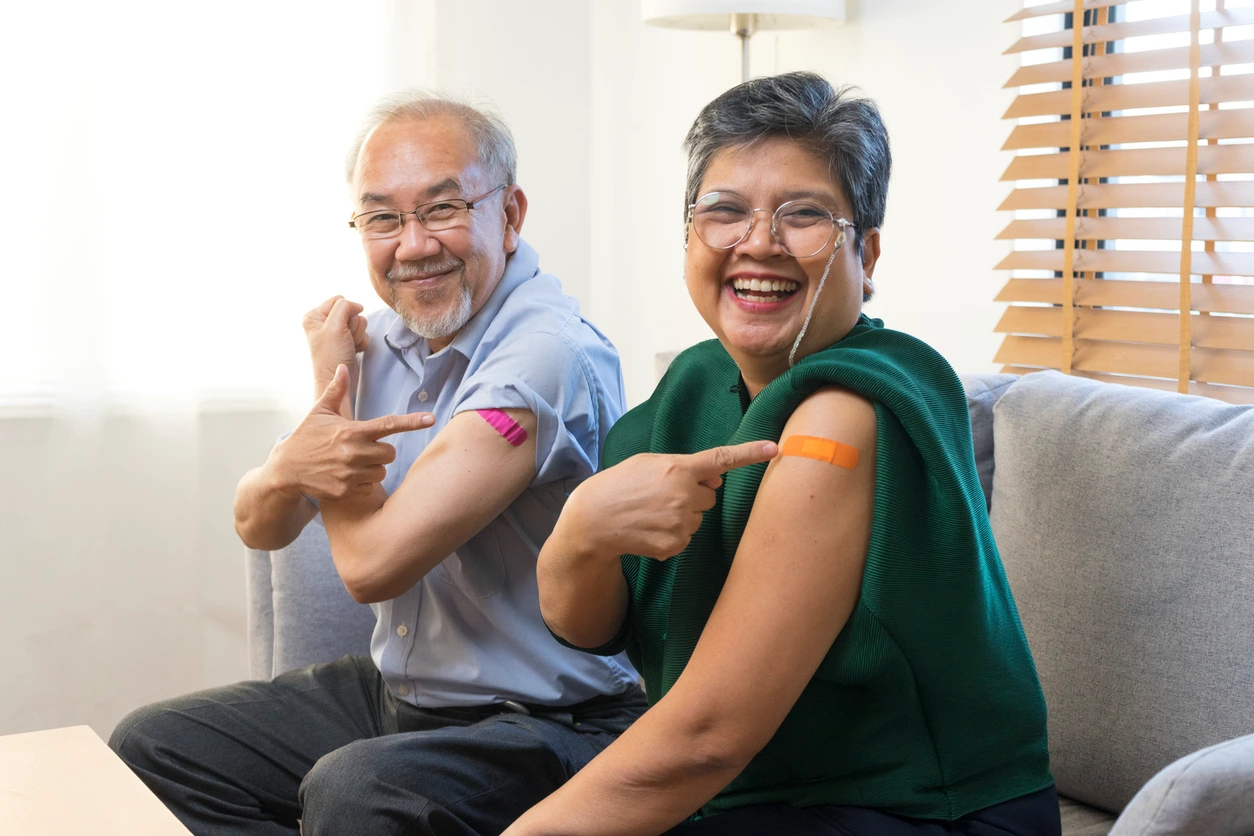
Human Papillomavirus (HPV) is one of the most common sexually transmitted infections and a leading cause of several cancers, including cervical, throat, and anal cancers. The HPV vaccine is safe, highly effective, and recommended for preteens, teens, and young adults up to age 45. Getting vaccinated before exposure to HPV provides the greatest protection. PharmaChoice pharmacies offer HPV vaccinations in a comfortable, judgment-free setting.

Find a PharmaChoice pharmacy in your area offering the HPV vaccine. Walk in or schedule an appointment — our pharmacists are here to help you stay protected.
Have questions about the HPV vaccine? Get clear answers about dosing schedules, who should be vaccinated, and how the vaccine helps prevent cancer.
The HPV vaccine is recommended for preteens aged 9–12, teens, and young adults up to age 26. Adults aged 27–45 should speak with their pharmacist or doctor to determine if vaccination is right for them.
The number of doses depends on age, vaccination history and health status. For incomplete or interrupted vaccine schedules, speak with your pharmacist for guidance. Individuals aged 9 to 20, unless immunocompromised: 1-dose schedule. A 2-dose schedule may be considered. For a 2-dose schedule, doses should be administered at least 24 weeks apart (6 months). Individuals aged 21 to 26, unless immunocompromised: 2-dose schedule. Doses should be administered at least 24 weeks apart (6 months). Individuals aged 27 and older, unless immunocompromised: 2-dose schedule. Doses should be administered at least 24 weeks apart (6 months). Individuals aged 9 and older who are immunocompromised and/or living with HIV: 3-dose schedule (months 0, 2 and 6).
Yes, adults up to age 45 may benefit from the HPV vaccine. A pharmacist can help assess individual risk and determine if vaccination is appropriate.
Certain vaccines protects against 9 strains of HPV, including those most commonly associated with cervical cancer and genital warts. Speak with your pharmacist for more information or help finding the right option for you.
Side effects are generally mild and may include soreness at the injection site, mild fever, or dizziness. Serious reactions are rare.
Many provinces provide the HPV vaccine free of charge for eligible school-age children. Coverage for adults varies. Ask your pharmacist for guidance on available programs in your province.
Read articles from our Advice For Life blog about HPV prevention, the benefits of vaccination, and what parents and young adults should know about staying protected.
Imagine this scenario: a person goes into a pharmacy complaining of persistent fatigue and a dull ache in their chest. They expect to leave with a vitamin recommendation. Instead, after a short conversation about symptoms and medications, another clue emerged: bleeding gums that had been bothersome for months. What initially seemed like a minor dental […]
Have you ever walked into a pharmacy for a quick prescription refill, only to realize you have lingering questions about your health that have not been addressed? Many people feel overwhelmed by everyday concerns. Perhaps it’s unexpected weight gain, or chronic fatigue, or questions and challenges that come from managing multiple medications. What often goes […]
Choosing contraception is a deeply personal decision, yet many Canadians find themselves overwhelmed. For some, the sheer number of options available is daunting. Others are simply unsure where to begin. Much like other aspects of health, reproductive health can often be overlooked until it becomes urgent. That’s why proactive planning can make a significant difference […]
Heart disease is often imagined as a sudden, dramatic event, striking without warning. Realistically, heart health is usually compromised quietly over many years, shaped by daily habits, genetics, stress, and subtle changes in the body that are easy to overlook. According to the Heart & Stroke Foundation of Canada, the heart is a muscle whose […]
Every January, millions of Canadians step into the new year with renewed motivation. We promise ourselves that this will be the year we eat better, quit smoking, manage stress, or finally get chronic conditions under control. These goals are positive and achievable, yet many people struggle to maintain them once life becomes busy again. The […]
You reach for your inhaler during an asthma flare. Your chest feels tight. Your breathing is shallow. In that moment, a quiet question crosses your mind: Am I using this correctly? Asthma management can feel overwhelming, especially when symptoms appear suddenly or medications do not seem to work as expected. If you’ve ever felt this […]
Women’s brain health is influenced by a wide range of biological, hormonal, and lifestyle factors that evolve over time. Many women notice occasional moments of brain fog, mental fatigue, or changes in focus during periods such as pregnancy, perimenopause, or menopause. These experiences are common, often temporary, and reflect the natural shifts happening in the […]
Every year on December 1, communities across the globe come together to recognize World AIDS Day, a moment dedicated to honouring those affected by HIV and reaffirming our commitment to ending the epidemic. Despite the progress made over the past several decades, HIV remains a critical public health challenge that impacts individuals, families, and communities […]
We often worry about dangers we can see, like traffic, germs, or household chemicals, but there’s an unseen element that may lurk beneath our homes: radon gas. It can waft silently through foundations, entering our living spaces, and over the years, it can significantly raise the risk of lung cancer. Though smoking remains the leading […]
Every November, men across Canada grow moustaches not just for fun, but for a cause; raising awareness for men’s health. Among the many issues highlighted during Movember, prostate cancer stands at the forefront. It’s the most common cancer among Canadian men, with the Canadian Cancer Society estimating that about 27,900 men will be diagnosed this […]
Each year, RSV season arrives in Canada from late fall through early spring, bringing higher rates of respiratory illness across communities. While many people mistake RSV for a typical cold, this virus can lead to serious complications in infants, older adults, and anyone with weakened immunity. Understanding what RSV is, how it spreads, and the […]
Breast cancer is the most commonly diagnosed cancer among Canadian women, with the Government of Canada estimating that 1 in 8 women will face the disease in their lifetime. That statistic can feel overwhelming, but it highlights why breast cancer awareness is so important. Early recognition of breast cancer signs and symptoms can dramatically improve […]