
 View Flyer
 Rx Refill
 Directions
Understanding Heart Disease in Women
Heart disease affects millions of women each year, and understanding its unique characteristics is essential for prevention. Misdiagnosis or delayed treatment can lead to severe consequences, underscoring the need for greater awareness. By understanding how heart disease presents differently in women, you can take proactive steps to protect yourself and those you love.Key Differences in Symptoms and Risks Between Men and Women
Heart disease in women can appear quite differently than in men, bearing its own unique set of heart attack symptoms. While chest pain remains a common symptom, the Canadian Women’s Heart Health Centre explains that women frequently experience more subtle signs, such as abnormal sweating, fatigue, shortness of breath, or stomach pain and nausea. Some additional symptoms of heart attacks in women can include:- Pain in the neck, jaw, shoulder or upper back
- Dizziness or being lightheaded
- Heartburn (indigestion)

What Causes Heart Disease in Women?
A combination of biological, hormonal, and lifestyle factors influence the development of heart disease in women. Understanding these causes is key to developing effective prevention and treatment strategies.Biological and Lifestyle Contributors
Biological contributors include genetic predisposition, high cholesterol, and conditions like diabetes or hypertension. Lifestyle factors, such as smoking, poor diet, and physical inactivity, exacerbate these risks. Furthermore, stress and lack of sleep are also significant contributors, as they can lead to hormonal imbalances and increased cholesterol levels.Menopause and Pregnancy-Related Conditions
Beyond these elements, the Heart and Stroke Foundation explains that one of the risk factors unique to women is their fluctuating estrogen levels throughout life, from the reproductive years to menopause and post-menopause. Menopause in particular significantly impacts heart health. As estrogen levels decline, so does the body’s ability to regulate cholesterol. This leads to increased low-density lipoprotein (LDL) often called “bad cholesterol”, and reduced high-density lipoprotein (HDL) levels, more often known as “good cholesterol”. Additionally, pregnancy-related conditions such as gestational diabetes and preeclampsia can have long-term effects, increasing the risk of heart disease later in life.The Role of Cholesterol in Heart Disease in Women
As you can see, cholesterol plays a crucial role in heart health, especially for women. By understanding its impact, you can take meaningful steps to protect your cardiovascular system and reduce your risk of heart disease.Good vs. Bad Cholesterol (HDL vs. LDL)
Cholesterol is a fatty substance essential for various bodily functions, but its balance is critical. HDL helps remove excess cholesterol from the bloodstream, protecting the arteries. Conversely, LDL contributes to plaque buildup, narrowing blood vessels and restricting blood flow. For women, maintaining higher HDL levels is particularly important, as it offers some protection against the cardiovascular risks associated with menopause. Keeping LDL levels low can significantly reduce the risk of heart disease.Why Managing Cholesterol Is Critical for Women
Unmanaged cholesterol silently damages the cardiovascular system. Over time, high LDL levels lead to arterial blockages, increasing the likelihood of heart attacks or strokes. Women often experience a more gradual buildup of plaque, which can make symptoms harder to detect. Regular cholesterol screenings are a cornerstone of preventive care.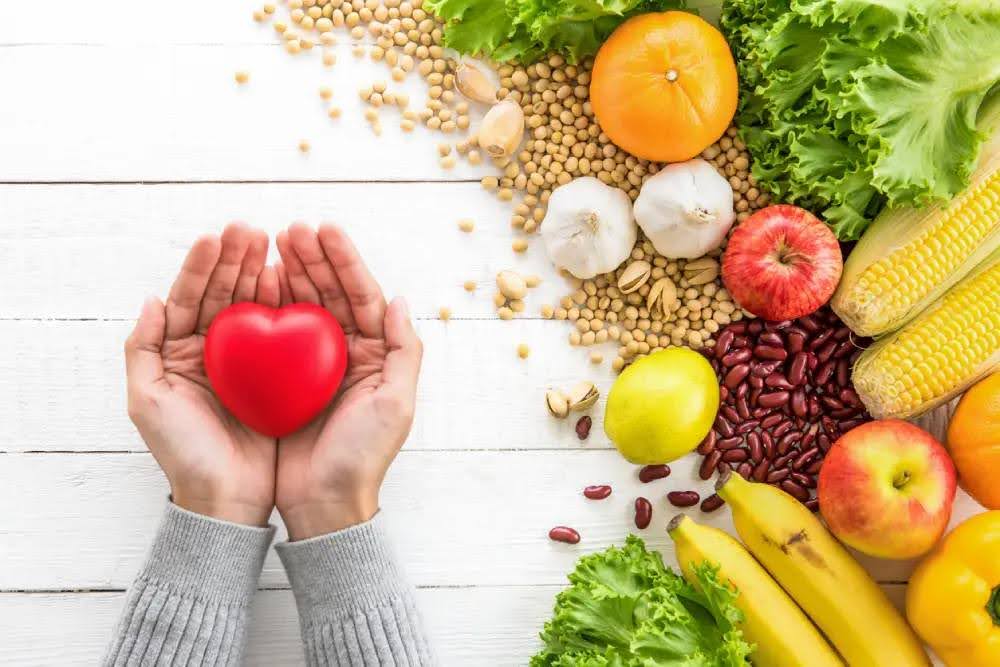
5 Tips to Help Reduce Your Cholesterol
So, how can you help reduce your risks of heart disease? Lifestyle changes are at the top of this list, particularly when it comes to those actions that can help lower your cholesterol. Making lifestyle changes to lower cholesterol doesn’t have to feel overwhelming. By focusing on simple, actionable steps, you can take charge of your heart health and significantly reduce your risk.1. Cholesterol-Reducing Foods & A Heart-Healthy Diet
Your diet has a profound impact on cholesterol levels. Consider incorporating these cholesterol-reducing foods into your meals:- Oats and barley: These grains are rich in soluble fibre, which binds to bad cholesterol and helps remove it from the body.
- Nuts: Almonds and walnuts are packed with healthy fats that improve HDL levels.
- Fatty fish: Salmon, mackerel, and sardines are excellent sources of omega-3 fatty acids, which reduce LDL.
- Legumes and beans: High in fibre and protein, legumes and beans can help lower LDL effectively.
2. The Power of Exercise – Types of Exercises & Activity Levels
Physical activity is one of the most effective ways to improve heart health. Aim for at least 150 minutes of moderate aerobic exercise per week or 75 minutes of vigorous activity. Examples include:- Cardio exercises: Brisk walking, cycling, or swimming.
- Strength training: Building muscle helps burn fat and supports cardiovascular health.
- Flexibility exercises: Yoga or Pilates improve circulation and reduce stress.
3. Smart Lifestyle Adjustments Concerning Smoking & Alcohol
Smoking and excessive alcohol consumption are detrimental to heart health, making it crucial to take appropriate measures to reduce intake (alcohol) or cease use entirely.- Quit smoking: Quitting smoking helps to lower LDL and improves circulation while providing a host of other benefits. According to Healthline, studies have shown people who quit smoking can reduce their heart attack risk by nearly 50%. For help quitting, talk to your PharmaChoice pharmacist about our affordable Option+ quitting aids.
- Limit alcohol: Stick to recommended guidelines—no more than one drink per day—to avoid raising blood pressure and triglycerides.
4. Stress Management Techniques
Chronic stress can raise cortisol levels, which can increase cholesterol and blood pressure. Effective stress management techniques include:- Mindfulness and meditation: These practices calm the mind and reduce cortisol.
- Yoga: Combines physical activity with stress relief.
- Therapy or counselling: Address underlying issues contributing to stress.