
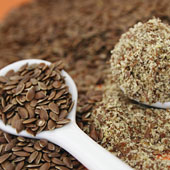
Flaxseeds are seeds obtained from the flax plant, and flaxseed oils are extracted from these seeds.
Flaxseeds can be found in several forms including whole, crushed, powder, or as an oil extract. These products are usually taken by mouth.
The recommended dosage for flaxseed depends on the condition it’s being used to treat. For flaxseed, adults should take no more than 45 g per day and no more than 22.5 g in a single dose. For flaxseed oil, adults should take no more than 32 g or 34 ml per day. These thresholds may vary depending on the concentration of the flaxseed oil product. Discuss with your healthcare provider for child dosages.
Your health care provider may have recommended using this product in other ways. Contact a health care provider if you have questions.
Flaxseed and flaxseed oils are commonly used as a source of healthy fatty acids to maintain good health. Flaxseed oil is also used to treat constipation and to reduce cholesterol.
Flaxseed and flaxseed oil may be used to treat other conditions such as relieving breast pain, reducing cancer risk, and lower blood sugar levels in those who have diabetes.
Your health care provider may have recommended this product for other conditions. Contact a health care provider if you have questions.
Flaxseed may be effective in helping in improving kidney function in those with lupus; reducing cholesterol, blood pressure and blood sugar levels; relieving constipation; relieving breast pain; and promoting a healthy weight.
The use of flaxseed and flaxseed oil for other conditions lacks reliable evidence.
Flaxseed products seem to be well tolerated and few side effects have been reported. Flaxseed should be taken with plenty of water as it contains fiber; otherwise, it can worsen constipation or, in rare cases, even cause intestinal blockage. Both flaxseed and flaxseed oil can cause bloating, diarrhea, and upset stomach.
Flaxseed and flaxseed oil may interact with:
Flaxseed and flaxseed oil should not be taken by those who:
Stop taking flaxseed or flaxseed oil immediately and contact your doctor if you experience chest pain, vomiting, or difficulty swallowing or breathing.
Flaxseed oil may increase the risk of bleeds. Stop taking flaxseed oil at least 2 weeks before surgery.
Before taking any new medications, including natural health products, speak to your physician, pharmacist, or other health care provider. Tell your health care provider about any natural health products you may be taking.
All material copyright MediResource Inc. 1996 – 2026. Terms and conditions of use. The contents herein are for informational purposes only. Always seek the advice of your physician or other qualified health provider with any questions you may have regarding natural health products.


