
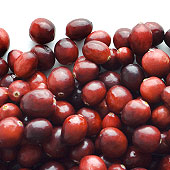
Cranberries are the fruit of a native plant of North America. These red berries are used in foods and in herbal products.
The berries are used to produce beverages and many other food products, as well as dietary supplements in the form of extracts, capsules, or tablets.
When taken as fresh fruit, it’s recommended not to exceed 30 g per day. When taken as juice concentrate, do not exceed 950 mL per day. When taken as dried fruit juice, do not exceed 1,200 mg per day. Cranberry should not be used by those under 18 years of age.
Cranberry is often used as a source of antioxidants. It’s also used to help prevent recurrent urinary tract infections.
Your health care provider may have recommended this product for other conditions. Contact a health care provider if you have questions.
There is some evidence that cranberry can help to prevent urinary tract infections; however, the evidence is not definitive, and more research is needed. Cranberry has not been shown to be effective as a treatment for an existing urinary tract infection. There is limited evidence to support its efficacy for other uses.
Drinking cranberry juice products appears to be safe, although excessive amounts could cause gastrointestinal upset or diarrhea.
Cranberry may interact with:
People who think they have a urinary tract infection should see a health care provider for proper diagnosis and treatment. Contact your doctor if you have a history of kidney stones or if you are taking blood thinners.
Cranberry juice contains salicylic acid. Do not take cranberry juice if you have an allergy to aspirin.
Before taking any new medications, including natural health products, speak to your physician, pharmacist, or other health care provider. Tell your health care provider about any natural health products you may be taking.
All material copyright MediResource Inc. 1996 – 2026. Terms and conditions of use. The contents herein are for informational purposes only. Always seek the advice of your physician or other qualified health provider with any questions you may have regarding natural health products.


