
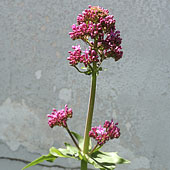
Valerian is a plant native to Europe and Asia; it is now found in most parts of the world. Valerian has been used as a medicinal herb for more than 2000 years as sedativesedativean agent that induces sleep, relaxes, and reduces tension and anxiolytic.
The roots and rhizomes (underground stems) of valerian are typically used to make supplements, including capsules, tablets, and liquid extractextractto get, separate, or isolate a desired active ingredients, as well as teas.
0.3 g to 12 g per day of dried root or rhizome of valerian is used. A single dose should not exceed 3.6 g.
If used as sleep aid, valerian should be taken 30 minutes to 60 minutes before going to bed.
Valerian has long been used for sleep disorders and anxiety.
Valerian has also been used for other conditions, such as headaches, depression, irregular heartbeat, and trembling.
Your health care provider may have recommended this product for other conditions. Contact a health care provider if you have questions.
Research suggests that valerian may be helpful for insomnia, but there is not enough evidence from well-designed studies to confirm this.
There is not enough scientific evidence to determine whether valerian works for other conditions, such as anxiety or depression.
Studies suggest that valerian is generally safe to use for short periods of time. Consult a health care practitioner if insomnia persists beyond 3 weeks.
No information is available about the long-term safety of valerian.
Valerian can cause mild side effects, such as headaches, dizziness, uneasiness, upset stomach, and tiredness the morning after its use.
Some people may experience drowsiness. Be careful about operating heavy machinery or motor vehicles if you are taking valerian.
Valerian may increase the sedativesedativean agent that induces sleep, relaxes, and reduces tension effect of alcohol, benzodiazepines, and CNS depressants.
Before taking any new medications, including natural health products, speak to your physician, pharmacist, or other health care provider. Tell your health care provider about any natural health products you may be taking.
National Center for Complementary and Alternative Medicine (NCCAM). Herbs at a Glance. Valerian. http://nccam.nih.gov/health/valerian/ Accessed April 3, 2014.
Health Canada Drug and Health Products Monograph: Valerian. http://webprod.hc-sc.gc.ca/nhpid-bdipsn/monoReq.do?id=177&lang=eng (Accessed 9 May 2016)
Natural Medicines. Professional monograph: Valerian. https://naturalmedicines-therapeuticresearch-com.myaccess.library.utoronto.ca/databases/food,-herbs-supplements/professional.aspx?productid=870 (Accessed 9 May 2016)
All material copyright MediResource Inc. 1996 – 2026. Terms and conditions of use. The contents herein are for informational purposes only. Always seek the advice of your physician or other qualified health provider with any questions you may have regarding natural health products.


