
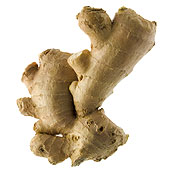
Ginger is a plant native to Asia that has green-purple flowers and an aromatic underground stem (called a rhizome). It is now cultivated in South America, Africa, and the Middle East. It is commonly used for cooking and medicinal purposes.
The underground stems of the ginger plant are used in cooking and baking and for health purposes. Common forms of ginger include fresh or dried root, tablets, capsules, liquid extracts (tinctures), and teas.
For relieving nausea:
For digestive upsets/disturbances:
Your health care provider may have recommended using this product in other ways. Contact a health care provider if you have questions.
Ginger is used to help prevent nausea and vomiting due to motion sickness or seasickness.
Traditionally, ginger is used to help relieve stomach aches, digestive upset, indigestion, heartburn, digestive spasms, and diarrhea. It is also used as an expectorant for cough and colds.
Ginger is used to treat many other conditions such as menstrual cramps, osteoarthritis, and nausea and vomiting due to pregnancy.
Your health care provider may have recommended this product for other conditions. Contact a health care provider if you have questions.
Ginger may be effective for treating nausea and vomiting caused by certain medications or pregnancy. It may also be effective in treating pain caused by menstrual cramps or from osteoarthritis. There is limited evidence to suggest that ginger may be effective for its use in treating other conditions.
Few side effects are linked to ginger when it is taken in small doses. Side effects most often reported are gas, bloating, heartburn, burning sensation and oral numbness. These effects are most often associated with powdered ginger.
Ginger may interact with:
Ask your doctor before taking ginger if you:
Stop taking ginger at least 2 weeks before surgery.
Before taking any new medications, including natural health products, speak to your physician, pharmacist, or other health care provider. Tell your health care provider about any natural health products you may be taking.
All material copyright MediResource Inc. 1996 – 2026. Terms and conditions of use. The contents herein are for informational purposes only. Always seek the advice of your physician or other qualified health provider with any questions you may have regarding natural health products.


