
 View Flyer
 Rx Refill
 Directions
Vision is arguably the most precious of our senses, acting as the primary conduit through which we experience the world. It allows us to recognize faces, appreciate art, read, drive, and perform countless daily tasks that contribute to our quality of life and independence. Yet, the importance of eye health is often underestimated until a problem arises.
Poor eye health can significantly impair an individual’s ability to work, learn, and engage socially. For children, clear vision is fundamental to educational success and developmental milestones. In fact, Toronto’s SickKids hospital features one of the world’s largest clinical programs, with over 26,000 patients and over 1,300 surgeries per year.
For adults, good eyesight can be a prerequisite for maintaining employment, and essential for driving safety.
The eyes often serve as a window to the body’s overall health. Eye exams can detect early signs of systemic diseases such as diabetes, hypertension, and high cholesterol, sometimes even before a patient notices symptoms elsewhere. By proactively prioritizing eye care, we invest in a healthier, safer, and more fulfilling future.
This comprehensive guide will explore the essential habits for maintaining eye health, detail common concerns, and highlight the accessible role your local pharmacist plays in supporting your vision.
Everyday Habits for Lasting Eye Health
Protect Your Eyes from Digital Strain
In the modern era, prolonged exposure to digital screens is nearly unavoidable, leading to a prevalent condition known as digital eye strain or computer vision syndrome. Symptoms often include dry eyes, blurred vision, headaches, and neck or shoulder pain. To mitigate this strain, it is crucial to adopt intentional viewing habits. The 20-20-20 rule is an essential practice: every 20 minutes, look away from your screen at an object 20 feet away for at least 20 seconds. This simple act allows your focusing muscles to relax.
You should also aim to ensure that your monitor is positioned at arm’s length, with the top of the screen at or slightly below eye level. Adjust screen brightness to match the surrounding light and increase text size for comfortable reading. Blue light filtering glasses and screen settings may also help, but the most effective measure remains taking regular breaks and ensuring adequate blinking to keep the eye surface moisturized.

Nutrition for Your Eyes: A Key Component of Vision
Specific vitamins, minerals, and antioxidants are vital for protecting the delicate structures of the eye from oxidative damage and promoting proper function. Lutein and zeaxanthin, often called the “eye vitamins,” are potent carotenoids found in high concentrations in the macula. They act as natural sunglasses, filtering out harmful high-energy blue light. Excellent dietary sources include leafy green vegetables like spinach, kale, and collard greens.
Omega-3 fatty acids, particularly DHA, are structural components of the retina and are crucial for tear film production, offering protection against dry eye syndrome. Fatty fish such as salmon, tuna, and mackerel are rich in Omega-3s. Other essential nutrients include Vitamin C (found in citrus fruits and berries), which may reduce the risk of cataract formation, and Vitamin E (found in nuts and seeds), which acts as a powerful antioxidant. A balanced diet rich in these nutrients provides a strong foundation for long-term vision protection.
The Importance of Regular Eye Exams
While many people visit an eye doctor only when they notice a vision problem, a comprehensive eye exam is an essential preventative health measure. Unlike a basic vision screening, a comprehensive exam involves dilation of the pupils and allows the eye care professional (optometrist or ophthalmologist) to thoroughly examine the internal structures of the eye.
Regular check-ups can detect eye diseases such as glaucoma, diabetic retinopathy, and AMD in their early, symptom-free stages, making treatment far more effective. The frequency of exams varies based on age, risk factors, and overall health. Generally, adults with no symptoms or risk factors should have a comprehensive exam every one to two years. Individuals with chronic conditions like diabetes, a family history of eye disease, or those over the age of 65 may require more frequent monitoring. Early detection is the most powerful tool in preserving sight.
Common Eye Concerns and When to Seek Help
Dry Eye Syndrome: Causes and Relief
Dry Eye Syndrome (DES) is a common condition that occurs when the eyes do not produce enough tears, or when the tears evaporate too quickly, leading to inflammation and discomfort. Symptoms include a gritty or burning sensation, redness, light sensitivity, and, oddly enough, watery eyes (a reflex response to irritation).
Common causes include aging, prolonged screen time, environmental factors (wind, smoke, dry climates), certain medications (antihistamines, antidepressants), and underlying medical conditions. Initial relief often comes from using over-the-counter (OTC) artificial tears. However, for chronic or severe DES, treatment may involve prescription medications, punctal plugs to slow tear drainage, or lifestyle modifications. If OTC remedies fail to provide sustained relief after a few weeks, or if symptoms worsen, a visit to an eye care professional is warranted.
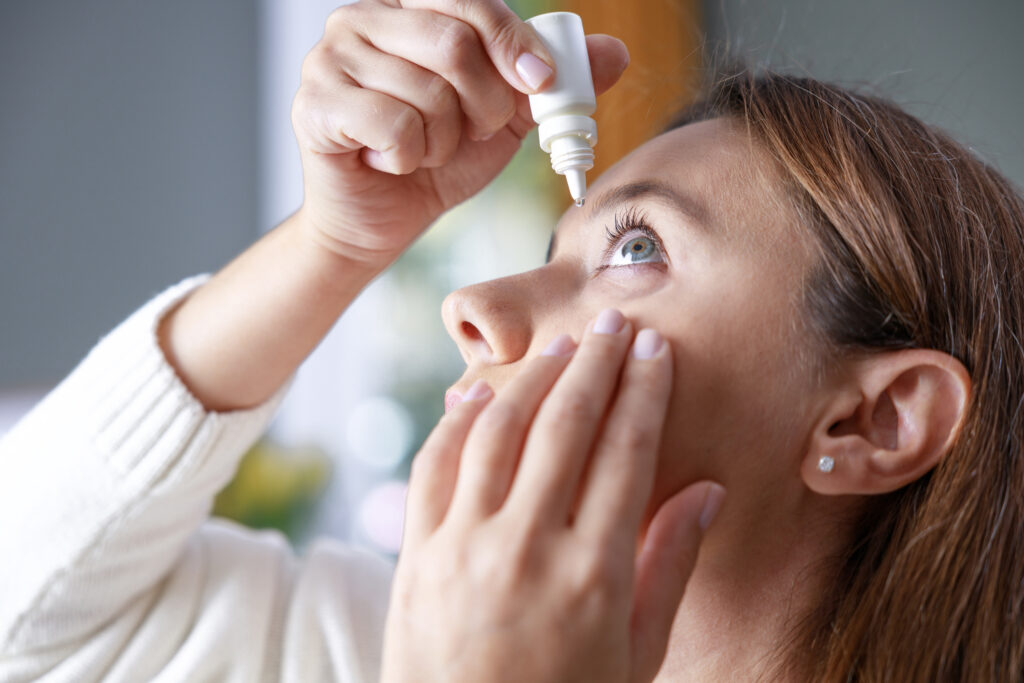
Managing Eye Allergies: Selecting the Right Drops
Ocular allergies, or allergic conjunctivitis, are triggered by allergens like pollen, pet dander, and mold, leading to symptoms such as intense itching, redness, swelling, and excessive tearing. While irritating, eye allergies are typically not sight-threatening.
The first step in managing allergies is to minimize exposure to the trigger. When symptoms arise, cool compresses and lubricating artificial tears can help wash out allergens and soothe irritation. When pharmacological intervention is needed, OTC options include antihistamine/mast cell stabilizer eye drops. These drops block the action of histamine and prevent the release of inflammatory chemicals. It’s crucial to select preservative-free options if using drops frequently. If symptoms are severe, persistent, or accompanied by light sensitivity or pain, professional consultation is necessary to rule out infection or a more serious condition.
Recognizing and Responding to Eye Infections
Eye infections, such as bacterial or viral conjunctivitis (“pink eye”), are highly contagious and require prompt, appropriate management. Symptoms often include redness, a thick or watery discharge, a gritty feeling, and crusting of the eyelids, especially upon waking. Viral infections typically present with watery discharge and often accompany a cold or flu, while bacterial infections usually result in a thicker, yellow-green discharge.
If an infection is suspected, immediate hygiene is critical. This means avoid touching the eyes, wash hands frequently, and do not share towels or pillowcases. Viral conjunctivitis often resolves on its own within one to two weeks, but can be managed with supportive care (artificial tears). Bacterial conjunctivitis typically requires antibiotic eye drops, which must be prescribed. Warning signs that necessitate immediate professional care include sudden vision loss, severe pain, extreme light sensitivity, or symptoms localized only to one area of the eye (which might suggest a corneal ulcer). Never use old or shared prescription eye drops.
Managing Specific Eye Health Challenges
Eye Health and Diabetes: What You Need to Know
Diabetes, both Type 1 and Type 2, poses a significant threat to vision. Prolonged high blood sugar levels can damage the small blood vessels in the retina, a condition known as diabetic retinopathy. This can lead to vision loss if not managed. Other diabetes-related eye issues include a higher risk of cataracts and glaucoma, which, according to research by Dalhousie University, is the second most common cause of irreversible blindness in North America.
The most critical step in protecting the eyes is rigorous control of blood sugar, blood pressure, and cholesterol levels. For those with diabetes, annual comprehensive, dilated eye exams are non-negotiable. These exams allow the eye doctor to detect and monitor any changes in the retina and initiate timely treatments, such as laser therapy or injections, before vision is permanently impaired.
Patients with diabetes should also be highly attuned to new symptoms like blurry vision, floaters, or dark spots, and report them immediately.
Contact Lens Care: Best Practices and Products
Contact lenses are a convenient way to correct vision, but they carry a heightened risk of infection if not cared for meticulously. Infections can lead to painful corneal ulcers and, in severe cases, permanent vision loss.
Best practices for contact lens wearers include:
- Always wash and dry hands before handling lenses.
- Use only fresh, sterile contact lens solution; never tap water or saliva.
- Clean the lens case daily and replace it every three months.
- Never sleep in contact lenses unless they are specifically approved for overnight wear.
- Remove lenses before showering or swimming.
- Do not wear lenses past their expiration date.
A variety of contact lens care products, including multi-purpose solutions, hydrogen peroxide systems, and saline rinses, are available. Choosing the correct product often depends on the type of lens and any personal sensitivities. Your pharmacist can offer guidance on selecting solutions that are compatible with your lenses and suitable for sensitive eyes.
Understanding Age-Related Vision Changes and Pharmacy Advice
As individuals age, several common vision changes occur. Presbyopia, the gradual loss of the eye’s ability to focus on nearby objects, typically starts around age 40 and is managed with reading glasses or multifocal lenses. Other age-related conditions include cataracts (clouding of the lens) and age-related macular degeneration (AMD), a deterioration of the macula.
For presbyopia, OTC reading glasses are an accessible solution. The pharmacist can assist in selecting the appropriate magnification strength. For individuals diagnosed with or at high risk for AMD, the pharmacist may recommend specific high-dose vitamin and mineral supplements, such as the AREDS 2 formulation, which has been shown to slow the progression of the disease in certain patients.
Understanding these changes and utilizing accessible resources like the pharmacy can help maintain quality of vision well into later life.
Your Pharmacist: An Accessible Resource for Eye Care
Your community pharmacist is often the most accessible healthcare professional and an invaluable resource for managing minor eye issues and answering basic vision questions.
Over-the-Counter Eye Products
Pharmacists are experts in OTC medications and can provide tailored advice on the wide array of eye products available.
They can help distinguish between:
Artificial Tears/Lubricants: Primarily for dryness, minor irritation, and flushing out irritants.
Eye Allergy Drops: Primarily for itching, redness, watery eyes due to allergies.
Redness Relief Drops: Cosmetic redness reduction for “bloodshot” eyes.
Vitamins/Supplements: Risk reduction for general eye health.
A pharmacist can also help patients avoid potential pitfalls, such as using redness relief drops (vasoconstrictors) too often, which can cause rebound redness.
Consulting Your Pharmacist on Eye Medications and Supplements
Various eye conditions may require medication to manage symptoms, slow progression, or prevent vision loss. Glaucoma, for example, is often treated with a medication such as dorzolamide – timolol to reduce intraocular pressure and protect the optic nerve.
Did you know that smokers may be at higher risk for dry eye disease? According to the Canadian Association of Optometrists, “Smoke affects the level of moisture in the eyes, which can lead to discomfort and dry eye symptoms, especially when contact lenses are worn..”.
Dry eye disease may potentially be managed with lubricating drops, anti-inflammatory medications or prescription treatments that improve tear production, such as Restasis or Xiidra.
Following cataract surgery patients are typically prescribed multiple drops. This includes antibiotic drops such as Vigamox, and anti-inflammatory drops such as Apo-Bromfenac and Pred Forte.
Age-related macular degeneration (AMD) may require specialized anti-VEGF injection treatments such as Lucentis to help control abnormal blood vessel growth in the retina.
Diabetic retinopathy, a complication of diabetes, may be treated with medications such as Lucentis or Avastin, or laser therapy, or a combination of medication and laser therapy, to reduce swelling and prevent further damage to retinal blood vessels.
Pharmacists possess extensive knowledge regarding drug interactions and side effects. If you are starting a new systemic medication, your pharmacist can inform you if it has any potential ocular side effects, such as causing dry eyes, blurred vision, or increasing the risk of glaucoma.
People Also Ask
What are the first signs of a serious eye problem?
While minor irritation is common, signs that indicate a serious problem requiring immediate medical attention include: sudden loss of vision (even temporary), severe eye pain, seeing flashes of light or new, large floaters, a curtain or shadow moving across the field of vision, double vision, or a painful red eye accompanied by nausea or vomiting. These symptoms could signal conditions such as retinal detachment, acute glaucoma, or a serious infection.
How often should I get my eyes checked?
For children, screening recommendations at infancy, preschool, and then before first grade, with routine exams every one to two years. For adults, age 18-64, at least every one to two years. Seniors (65+), annually, or as recommended by the eye care professional. And high-risk Individuals (e.g., diabetics, family history of glaucoma), annually, and often more frequently based on disease progression and doctor’s advice.
Can diet really affect my eye health?
Yes. Diet plays a crucial preventative role. Consuming foods rich in Lutein and Zeaxanthin (leafy greens), Omega-3 fatty acids (fish), and antioxidants (colorful fruits and vegetables) helps protect the macula from damage, lowers the risk of AMD and cataracts, and promotes healthy tear production.
Final Key Takeaways on Eye Health
Your local pharmacist can be a valuable first point of contact for many eye health concerns, offering guidance on symptoms like dryness, irritation, allergies, or minor infections. They can recommend appropriate over-the-counter treatments, ensure you’re using eye medications correctly, and help identify when a situation may require referral to an optometrist or doctor.
With their accessibility and expertise, your PharmaChoice pharmacist can play an important role in supporting timely, effective care for your eye health.