
 View Flyer
 Rx Refill
 Directions
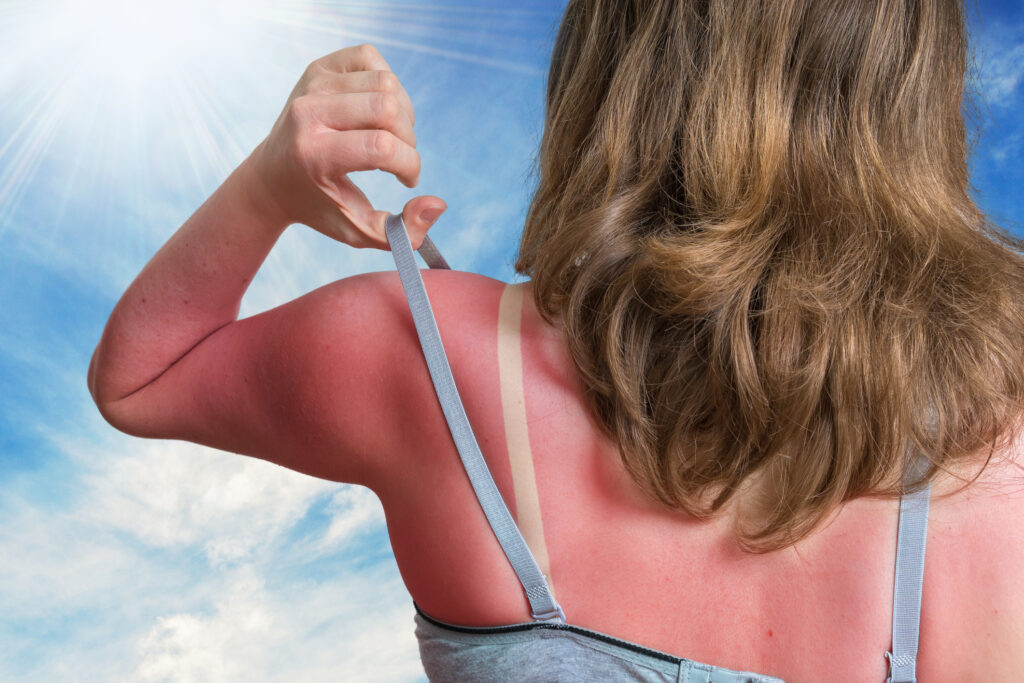
Did you know that some common prescription and over-the-counter drugs can increase your skin’s vulnerability to the sun? If you’ve ever experienced an unusually severe sunburn or a strange rash after sun exposure, you may have experienced a reaction to medications that cause sun sensitivity. These photosensitive drugs can turn a pleasant afternoon outdoors into a painful experience, raising your risk for skin damage. That’s why it’s important to be aware of this risk and take proactive steps towards protection.
Sun sensitivity, scientifically known as photosensitivity, occurs when your skin reacts abnormally to sunlight, particularly ultraviolet (UV) radiation. When this condition is triggered by medication, it’s called drug-induced photosensitivity. It is essentially an amplified reaction to UV exposure that wouldn’t normally occur or would be previously much milder. Instead of the typical gradual tan or mild sunburn you may be used to, your skin may experience a severe burn, rash, or other uncomfortable symptoms soon after being exposed to the sun.
The core of the problem lies in certain chemical compounds within the medication that absorb UV light. When these compounds absorb energy from the sun, they become chemically altered. These altered chemicals then cause damage within the skin, either directly to the skin cells or by triggering an immune response. This may result in the visible signs of sun sensitivity. It is a common (yet often overlooked) side effect that healthcare providers want to ensure you are prepared to manage.
Who Is at Risk for Medication-Induced Sun Sensitivity?
Since photosensitivity is a chemical reaction between the drug and UV light, virtually anyone taking a photosensitizing medication can potentially develop sun sensitivity. It is not limited by age, gender, or even skin type, though the severity of the reaction may vary. If the concentration of the drug is high enough in the skin when exposed to UV rays, the reaction can occur. This is why reading the warning labels and discussing potential side effects with your pharmacist is so important.
Are some people more at risk for sun sensitivity reactions?
While anyone can be affected, certain factors can increase a person’s risk or make their reaction more severe.
- Higher Medication Doses: The concentration of the drug in your system plays a significant role. Higher doses often mean a greater risk of a reaction.
- Intense UV Exposure: People who spend long hours outdoors, particularly during peak sunlight hours, can be at a much greater risk simply because they are exposed to more UV radiation. This includes outdoor workers, athletes, and those vacationing in sunny climates.
- Pre-existing Skin Conditions: Individuals with certain skin conditions such as Eczema, Rosacea, Psoriasis, and Lupus may have an already compromised skin barrier, making them more susceptible to the damaging effects of UV-activated drugs.
- Fairer Skin: While drug-induced photosensitivity can affect all skin types, people with fairer skin naturally absorb more UV light and are already more prone to sunburn, which can make a photosensitivity reaction appear more severe and noticeable.
Common Medications That Cause Sun Sensitivity
It is important to note that not every medication within a category will cause sun sensitivity, and the list of photosensitizing drugs is extensive, so education is key. If you are taking any of these, consult with your PharmaChoice pharmacist to review your specific medications.
Antibiotics
Certain antibiotics such as ciprofloxacin are among the most common culprits. These drugs can cause a severe phototoxic reaction that mimics an exaggerated sunburn.
Acne Medications
Topical and oral acne treatments often contain ingredients that exfoliate the skin or make it more receptive to UV light. Ingredients like benzoyl peroxide, retinoids, and oral tetracycline antibiotics are key factors here.
NSAID Pain Relievers
Nonsteroidal anti-inflammatory drugs (NSAIDs) such as celebrex and naprosyn are commonly used for pain, fever, and inflammation. While many are safe, some, especially when applied topically or taken at high doses, can cause a reaction.
Diuretics (Water Pills)
Medications such as hydrochlorothiazide are often prescribed to help manage blood pressure, heart failure, and swelling by increasing urine production, and are a major group associated with photosensitivity.
Heart Medications
Medications such as amiodarone are used to treat various heart conditions including high blood pressure and arrhythmias, and frequently appear on photosensitivity lists.
Some older-generation antihistamines, primarily those used to treat allergies, can cause photosensitivity reactions. As well as some antidepressants, diabetes medications, and chemotherapy drugs.
*Click here for a full list of medications that may cause sun sensitivity.
Symptoms of Medication-Induced Sun Sensitivity: What Happens After Sun Exposure?
Recognizing the symptoms early is key to proper management. The reaction will typically occur only on the areas of the skin that were exposed to the sun.
- Severe Sunburn: This is the most common outcome of a sun-sensitivity reaction. The skin becomes extremely red, tender, and sometimes blistered, far worse than a normal burn would be after the same amount of sun exposure.
- Skin Rash: A photoallergic reaction often presents as an itchy, red, elevated rash. This rash may look similar to eczema or hives and can sometimes spread to areas of the skin not directly exposed to the sun.
- Hyperpigmentation: After the initial reaction subsides, some people may notice dark spots or a discoloration of the skin where the reaction occurred. This is particularly common with reactions to certain drugs.
- Swelling: Significant inflammation and swelling (edema) of the affected skin, especially in the hands, face, or lower legs, can be a symptom.
- Peeling Skin: As the skin heals from a severe reaction that resembles a burn, it will often blister and then peel excessively.
- Itching and Irritation: While itching is more characteristic of a photoallergic reaction, intense irritation and burning sensations are common with both types of photosensitivity.
What Causes Medication-Related Sun Sensitivity?
Understanding the underlying mechanisms can help us appreciate why sun protection is so vital when taking these drugs.
Photosensitivity reactions generally fall into two main categories: phototoxic and photoallergic.
Phototoxic Reactions
Phototoxic reactions are the most common type and act much faster. They occur when the drug absorbs UV light (usually UVA) and then releases energy that directly damages surrounding cells and tissues. This process is akin to a sunburn, causing cell death and resulting in intense redness, pain, and blistering within minutes to hours of sun exposure. The reaction is dose-dependent, meaning the higher the dose of the medication, the more likely and severe the reaction will be.
Photoallergic Reactions
Photoallergic reactions are less common and function more like an allergic response. The drug absorbs UV light, which changes its structure into a chemical compound the body recognizes as foreign. The body’s immune system then creates antibodies to attack this new compound, resulting in an allergic rash that may include raised, intensely itchy, red patches. Since this is an immune response, it takes time to develop, often appearing 24 to 72 hours after sun exposure, and can sometimes spread to areas that were not exposed to the sun.
Higher Medication Doses
Higher doses of photosensitizing medications increase the concentration of the drug in the skin. This higher concentration means more drug molecules are available to absorb UV light, leading to a more intense and potentially damaging phototoxic reaction. This factor underscores the importance of only taking medications as prescribed and never exceeding recommended doses without consulting a healthcare provider. 
Complications of Sun Sensitivity From Medications
While an acute sun sensitivity reaction is painful and uncomfortable, the complications can extend beyond the immediate symptoms.
- Long-Term Skin Damage: Severe, repeated photosensitive reactions can accelerate the long-term effects of sun damage, leading to premature skin aging, wrinkles, and persistent hyperpigmentation (dark spots).
- Increased Risk of Skin Cancer: Though not definitively proven for all photosensitizing drugs, any condition that increases damage to skin cells and DNA due to UV exposure is a cause for concern, potentially increasing the risk of skin cancer over time.
- Impact on Medication Adherence: The fear of severe reactions can sometimes lead people to skip or stop taking their necessary medications, which can have serious negative consequences for managing underlying health conditions. This is why we always stress consulting your healthcare provider before making any changes.
How Is Medication-Induced Sun Sensitivity Diagnosed?
If you suspect you have experienced a drug-induced photosensitivity reaction, the first step is to consult your healthcare provider or pharmacist. Diagnosis typically involves a thorough review of your medical history and a physical examination of the affected skin.
This includes:
- Medication Review: Checking all prescription and over-the-counter medications, including supplements, to identify any known photosensitizers.
- Pattern of Reaction: The location and appearance of the rash or burn are key clues. Reactions that strictly follow the areas of sun exposure often point to a phototoxic reaction.
- Phototesting: In some complicated cases, specialized dermatologists may perform phototesting, where small patches of skin are exposed to measured doses of UVA and UVB light to confirm the diagnosis.
How Is Sun Sensitivity Treated?
Once a photosensitivity reaction is confirmed, the immediate goal is to soothe the skin and prevent further damage.
- Stop or adjust the medication (only under medical supervision): This is the most crucial step. Your healthcare provider may decide to lower the dose, switch you to an alternative non-photosensitizing medication, or temporarily stop the drug. Never stop taking a prescription drug without consulting the doctor who prescribed it or your pharmacist.
- Use cool compresses: Applying a cool, damp cloth to the affected areas can help reduce the burning sensation and swelling.
- Apply topical creams, hydrocortisone or aloe vera for relief: Over-the-counter hydrocortisone cream can help calm inflammation and itching, while aloe vera can provide a cooling, soothing effect.
- Take antihistamines: If the reaction is photoallergic and involves intense itching or an extensive rash, oral antihistamines can help alleviate symptoms.
- Stay out of the sun: Immediately seek shade and remain indoors as much as possible.
- Avoid further UV exposure until symptoms improve: Continued sun exposure will only exacerbate the condition and prolong healing.
How Can I Prevent Medication-Induced Sun Sensitivity?
Prevention is always the best approach. By incorporating simple sun safety practices into your daily routine, you can significantly reduce your risk of a photosensitive reaction.
- Read medication warning labels: Always review the warnings and side effects section of any medication package insert. If it mentions sun avoidance or sensitivity, take that warning seriously.
- Wear sunscreen daily: Apply a broad-spectrum sunscreen with an SPF of 30 or higher liberally to all exposed skin every single day, regardless of the weather. Reapply every two hours, or immediately after swimming or sweating.
- Avoid peak sunlight hours: The sun’s UV rays are strongest between 10 am and 3 pm. If you must be outside during this time, be extra vigilant with protective measures.
- Use UV-protective clothing: Long-sleeved shirts, pants, and wide-brimmed hats made of fabric with a high UPF (Ultraviolet Protection Factor) offer the best defense.
- Wear sunglasses and hats: Sunglasses should be labeled as blocking 99% or 100% of UVA and UVB rays. A wide-brimmed hat shades your face, neck, and ears.
- Talk to your pharmacist or doctor about medication side effects: When starting a new drug, ask specifically if it causes sun sensitivity. Your PharmaChoice pharmacist can provide personalized advice on your risk and necessary precautions.
When Should I Call My Healthcare Provider?
While many mild reactions can be managed with home care, there are times when you should seek immediate professional medical attention.
Call your healthcare provider or pharmacist if you experience any of the following:
- Blistering or peeling skin over a large area.
- Signs of infection, such as increased pain, redness, swelling, or pus.
- Symptoms of severe sunburn, including fever, chills, confusion, or nausea.
- An extensive rash that spreads beyond the sun-exposed areas.
- Painful or persistent symptoms that do not improve after 48 hours of home care.
People Also Ask
What medications commonly cause sun sensitivity?
The most common groups include certain antibiotics, some diuretics, NSAIDs, certain heart medications, and oral acne treatments. Click here for a full list and to learn more.
How long does drug-induced sun sensitivity last?
Phototoxic reactions often subside rapidly once the drug is stopped and the sun exposure is avoided. Photoallergic reactions, due to the immune response, can take longer, sometimes weeks, to fully clear up. The sensitivity generally lasts as long as the drug remains in your system.
Can sunscreen prevent medication-related sun sensitivity?
Sunscreen is essential but may not entirely prevent a reaction, especially with high doses or in cases of severe phototoxicity. Sunscreens primarily block UVB and some UVA rays. Since many photosensitive drug reactions are caused by UVA rays, you need a broad-spectrum sunscreen that offers high UVA protection. Combining sunscreen with protective clothing and shade is the most effective approach.
Is medication-induced photosensitivity dangerous?
In most cases, it results in uncomfortable but non-life-threatening symptoms like a severe rash or sunburn. However, severe reactions that lead to extensive blistering, secondary infection, or those accompanied by systemic symptoms like fever and dehydration require medical attention and can be dangerous if left untreated.
Should I stop taking medication if it causes sun sensitivity?
No! You should never stop taking prescribed medication on your own. If you suspect a drug is causing sun sensitivity, contact your prescribing doctor or pharmacist immediately. They will determine if the dose needs to be adjusted or if a safer alternative can be prescribed.
Final Key Points Medications and Sun Sensitivity
Managing your health can be complex, and unexpected side effects like sun sensitivity can be a concern. The relationship between your medications that can cause sun sensitivity and the sun is one that demands awareness and proactive caution.
The next time you fill a new prescription or purchase an over-the-counter medicine, remember to consider the sun. Knowledge is your best defense against drug-induced photosensitivity. Speak with your pharmacist at your closest PharmaChoice pharmacy near you, and get the right treatment and medications today!