


Sunscreen and Its Importance For Canadians
Despite Canada’s varying climate, UV radiation is a year-round concern, with Melanoma Canada explaining up to 80% of harmful UV rays penetrate through clouds and fog, while fresh snow reflects up to 88%! This means sun protection isn’t just a summer necessity—it’s a daily requirement 365 days a year. Sunscreen acts as a shield, preventing UV rays from damaging your skin. Prolonged exposure to UV radiation can cause skin cancer, accounting for nearly 65% of melanoma cases in Canada according to the Canadian Cancer Society. By incorporating sunscreen into your daily routine, you can significantly reduce this risk. Beyond cancer prevention, sunscreen helps maintain skin health and appearance. It prevents sunburn, a painful reminder of UV overexposure, and protects against photoaging, which manifests as wrinkles, dark spots, and a loss of skin elasticity. Protecting your skin today ensures a healthier, more youthful appearance tomorrow.
The Science Behind Sunscreen – How It Works
What is sunscreen?
Sunscreen is a topical product designed to protect your skin from UV rays. It contains ingredients that either absorb or reflect UV radiation. Its effectiveness is measured by the Sun Protection Factor (SPF), which indicates how well it shields against UVB rays. Broad-spectrum sunscreens, however, go a step further, providing defence against both UVA and UVB rays. Let’s explore the differences between these two types of UV rays:- UVA Rays: These penetrate deep into the skin, causing aging and contributing to skin cancer. These rays are also the ones responsible for suntans.
- UVB Rays: These affect the skin’s surface, causing sunburn and also playing a role in cancer development. UVB rays are also harmful to the eyes.
How does sunscreen work?
Sunscreens can be classified into physical (mineral-based) and chemical types. Physical sunscreens contain ingredients like zinc oxide or titanium dioxide, forming a protective barrier that reflects UV rays. Chemical sunscreens, on the other hand, absorb UV rays and neutralize them before they harm the skin. By forming a protective barrier, sunscreen minimizes cellular damage, keeping your skin safe from harm.Benefits of Sunscreen
Sunscreen is more than just a preventative measure; it’s a vital part of maintaining healthy, youthful skin. Let’s explore the incredible benefits of using sunscreen regularly.Reducing Skin Cancer Risk:
Sunscreen is your first line of defence against harmful UV rays. Consistent sunscreen use significantly lowers your chances of developing skin cancer, including melanoma, the deadliest form. In fact, according to the Skin Cancer Foundation, daily sunscreen reduces the risk of squamous cell carcinoma by 40% and melanoma by 50%.Preventing Premature Aging:
UV exposure accelerates the breakdown of collagen and elastin, leading to wrinkles, aging, and dark spots. Regular use of sunscreen prevents photoaging, keeping your skin smooth, firm, and clear.Protecting Against Sunburn:
Sunburn damages the skin’s outer layer, causing redness, pain, and peeling. It isn’t just painful—it’s a sign of severe UV damage. Sunscreen prevents this damage, keeping your skin healthy and pain-free.Types of Sunscreen
With so many sunscreen options available, finding the right one for your needs can feel overwhelming. Let’s break down the main types to help you make an informed choice.- Face Sunscreen vs. Body Sunscreen: The skin on your face is more delicate and prone to irritation, necessitating specialized formulations. Face sunscreens often include non-comedogenic and lightweight ingredients suitable for sensitive or acne-prone skin, while body sunscreens prioritize durability and broad coverage.
- Natural Sunscreen Options: Also known as mineral-based sunscreens, use zinc oxide or titanium dioxide to reflect UV rays. These are ideal for sensitive skin and the environmentally conscious but may feel heavier on the skin. Their benefits include reduced risk of irritation, though they may require frequent reapplication.
- Water-Resistant Sunscreens: Whether you’re swimming or sweating, water-resistant sunscreens ensure longer-lasting protection. These are crucial for outdoor activities and should be reapplied every 80 minutes for optimal effectiveness.
Choosing the Right Sunscreen – What You Need to Know
Navigating the sunscreen aisle can be overwhelming, with so many options promising protection. Understanding the key features of sunscreens will help you make an informed choice that suits your lifestyle and skin type.SPF Levels Explained
SPF measures the sunscreen’s ability to protect against UVB rays. According to the Canadian Cancer Society, SPF 15 blocks roughly 93% of UVB rays, while SPF 30 blocks 97%. While higher SPFs offer marginally increased protection, no sunscreen blocks 100% of UV rays. For most people, SPF 30 is sufficient when applied correctly.Broad-Spectrum Protection
As mentioned above, broad-spectrum sunscreens provide defence against both UVA and UVB rays, ensuring comprehensive coverage. This type of protection is essential to prevent skin cancer and premature aging and is highly recommended. For affordable, high-quality sunscreen, look for the Option+ logo at your local PharmaChoice pharmacy.Tailored for Skin Types
Choose sunscreens based on your skin type. For sensitive skin, opt for fragrance-free, mineral-based formulations. Oily or acne-prone skin benefits from non-comedogenic sunscreens, while those with dry skin may prefer moisturizing options enriched with hyaluronic acid or ceramides.The Proper Application and Use of Sunscreen
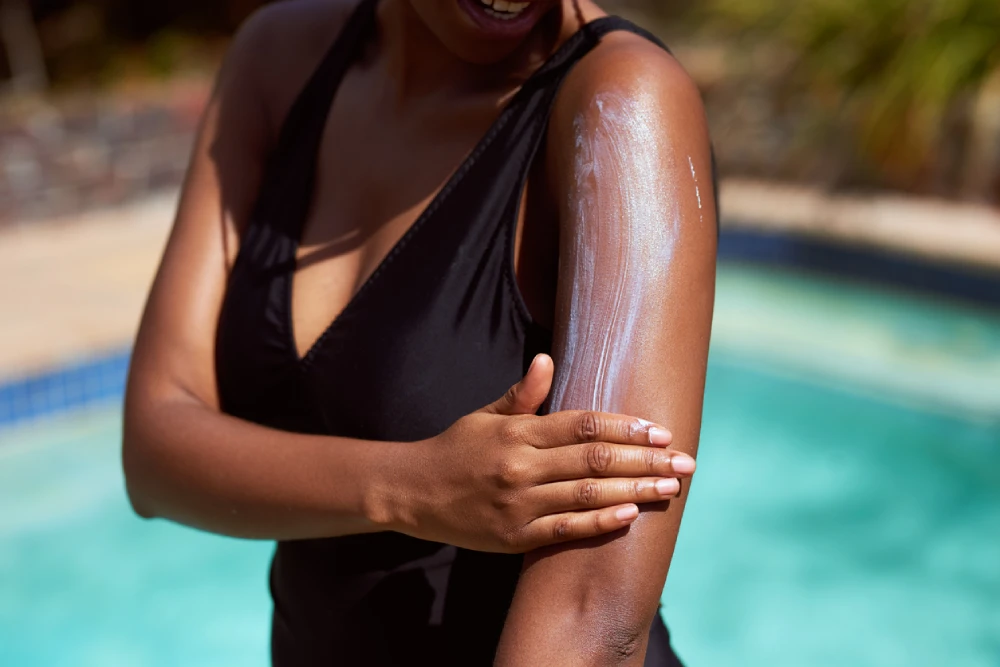
Ensuring you apply sunscreen correctly is just as important as choosing the right product. Let’s take a closer look at how to make the most of your sunscreen routine.How to Apply Sunscreen Correctly
- Apply sunscreen 15-30 minutes before sun exposure.
- Use about one ounce (approximately 2-3 tablespoons) for full-body coverage.
- Reapply every two hours or immediately after swimming or sweating.
- If you’re also applying bug spray or makeup, apply the sunscreen first.
Common Mistakes to Avoid
- Missing spots: Don’t forget areas like the ears, neck, and tops of feet.
- Applying too little: Insufficient sunscreen reduces its effectiveness.
- Forgetting to reapply: UV protection diminishes over time. Reapply throughout the day in 2-hour intervals to ensure your skin is protected all day long.
Special Considerations for Babies and Children
The Canadian Paediatric Society recommends the use of SPF 30 sunscreen, paired with an SPF 15 lip balm, but warns to avoid sunscreen on babies under six months old as they are more at risk of rubbing it in their eyes and mouth. They also recommend refraining from long periods outdoors at the start of the warmer seasons, instead prompting parents to gradually increase time spent outside over the course of several days.
Daily Sun Protection Habits
Developing consistent habits for sun protection is key to safeguarding your skin every day, no matter the season. Sunscreen isn’t just for sunny days at the beach. Incorporate it into your daily skincare routine to shield against incidental UV exposure while driving or walking outdoors. Beyond sunscreen, you can take some extra steps to help protect your skin, such as:- Wearing hats: Opt for wide-brimmed hats to protect your face and neck.
- Using sunglasses: Ensure they block 100% of UVA and UVB rays.
- Seeking shade: Especially during peak UV hours (10 AM – 4 PM).