



Pneumonia is far more than a simple chest cold; it is a serious respiratory infection that can disrupt your life and send even healthy individuals to the hospital. Fortunately, understanding pneumonia vaccination is one of the most proactive steps you can take to safeguard your long-term lung health.
Pneumonia Is an Infection of the Lungs
Pneumonia causes the alveoli (air sacs) in one or both lungs to become inflamed and fill with fluid or pus, hindering oxygen exchange and leading to breathing difficulties and fatigue.
Recognizing symptoms early is critical for prompt medical evaluation and treatment.
Common symptoms of pneumonia can include:
- Cough, which may produce clear, green, yellow, or rusty-coloured mucus.
- Fever or chills, often accompanied by sudden shivering spells and sweating.
- Shortness of breath, particularly during routine physical activity or even while resting.
- Chest discomfort or pain, which frequently sharpens when taking a deep breath or coughing.
- Fatigue, persistent weakness, and body aches.
Bacteria, Viruses and Other Germs Can Cause Pneumonia
A common misconception is that pneumonia is a single, isolated disease. In reality, pneumonia is a medical condition caused by a variety of different microscopic infectious agents. While bacterial pneumonia is one of the most widely recognized forms, viruses and, less commonly, fungi can also invade the lower respiratory tract and trigger severe pulmonary inflammation.
Seasonal viruses (influenza, RSV, COVID-19) can cause viral pneumonia directly or damage airway mucosal linings, allowing opportunistic bacteria to cause secondary bacterial pneumonia.
Why Streptococcus pneumoniae Matters
Among the various bacterial pathogens responsible for lung infections, Streptococcus pneumoniae (commonly referred to as pneumococcus) is the single most important bacterium to understand. This microscopic organism is widespread and frequently colonizes the upper respiratory tract of healthy children and adults without causing harm.
However, when the immune system is compromised, fatigued, or overwhelmed, pneumococcus can migrate deeper into the body, causing infections ranging from mild ear and sinus infections to severe lung disease.
When Streptococcus pneumoniae invades normally sterile areas of the human body, it causes a severe category of medical illness known as invasive pneumococcal disease (IPD). IPD occurs when the bacteria break through localized tissue barriers and enter places like the bloodstream (causing bacteremia) or the protective membranes surrounding the brain and spinal cord (causing pneumococcal meningitis). IPD carries a significant risk of hospitalization and severe outcomes, making targeted prevention against Streptococcus pneumoniae a top public health priority across Canada. 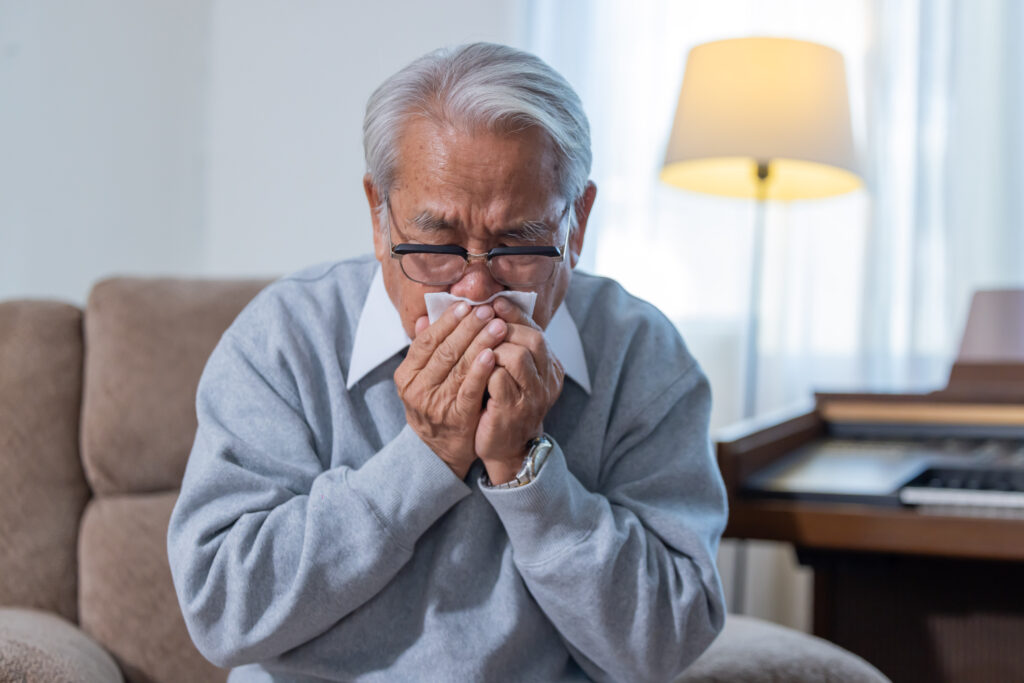
What a Pneumonia Vaccination Actually Protects Against
In everyday conversation, people frequently refer to the “pneumonia vaccine” as if it protects against every possible type of chest infection. However, in medical practice, the precise term is pneumococcal vaccine. Understanding this distinction is helpful when reviewing your immunization history with your healthcare team.
Pneumococcal vaccines specifically target strains (serotypes) of Streptococcus pneumoniae bacteria responsible for severe community-acquired and invasive infections.
Pneumococcal vaccines are engineered specifically to target strains, or serotypes, of Streptococcus pneumoniae bacteria. While they do not prevent lung infections caused by viruses like influenza or COVID-19, they provide vital, target-specific protection against the most dangerous bacterial strains responsible for community-acquired pneumonia and invasive bacterial infections.
Vaccination Reduces Risk, It Does Not Eliminate It
It is essential to maintain realistic expectations regarding immunization. While pneumococcal vaccines are safe, highly effective, and rigorously tested, no single vaccine provides 100% elimination of risk.
You may still occasionally contract pneumonia even after receiving a pneumococcal vaccine. This can occur if the infection is caused by a bacterial serotype not included in that specific vaccine formulation, or if the illness stems from an entirely different pathogen, such as a respiratory virus.
Nevertheless, vaccinated individuals who do contract pneumonia typically experience milder symptoms, shorter disease duration, and a significantly lower risk of severe complications or hospitalization. Vaccination should therefore be viewed as a foundational pillar in your broader respiratory defense strategy.
Who Should Consider Pneumococcal Vaccination?
Children Are Protected Through Routine Immunization
Infants and young children are at increased risk of serious pneumococcal infections. Pneumococcal vaccination begins in infancy and is included in routine childhood immunization programs across Canada.
The timing and number of doses may vary by province or territory. Children with certain medical conditions or other risk factors may require additional vaccination.
Learn more in the Canadian Immunization Guide.
Adults 65 and Older
As we grow older, our immune systems naturally undergo changes, a process known as immunosenescence, which can make it harder for our bodies to fight off bacterial infections efficiently. Consequently, age is one of the most significant risk factors for developing severe pneumococcal pneumonia and invasive pneumococcal disease.
In Canada, the National Advisory Committee on Immunization (NACI) establishes evidence-based vaccine guidelines to protect public health. Current NACI recommendations specify that all adults aged 65 and older should receive one pneumococcal vaccine dose. This guidance applies regardless of whether you have received older pneumococcal vaccines in the past, though individual timing can depend on your specific vaccination history.
Adults Under 65 With Increased Risk
Age is not the only factor that increases your vulnerability to pneumococcal disease. Adults under the age of 65 who live with certain underlying medical conditions, lifestyle factors, or environmental risks are also at a significantly higher risk of severe illness.
NACI currently recommends a single dose for adults aged 18 to 64 who present with increased risk factors, including:
- Chronic heart disease
- Chronic lung disease
- Diabète
- Chronic kidney or liver disease
- Immunocompromising conditions
- Absence or reduced function of the spleen
- Cancers
- Cigarette smoking
If you fall into any of these categories, speak with our pharmacy team about advanced conjugate options such as Prevnar-20 to ensure your protection is up to date.
Do You Need a Pneumonia Vaccine More Than Once?
Under previous immunization frameworks, adults often required multi-dose schedules involving different vaccine types administered months or years apart. Fortunately, modern vaccine development has made staying protected much simpler.
It Is Not an Annual Vaccine
People frequently ask whether they need a pneumonia shot every autumn alongside their flu vaccine. The answer is no: pneumococcal vaccination does not follow an annual schedule.
Unlike influenza viruses, which mutate rapidly every year and require an updated annual flu shot, Streptococcus pneumoniae serotypes remain relatively stable. Once you receive the recommended conjugate vaccine dose, your immunity should last for years.
The Flu Shot Does Not Replace Pneumococcal Vaccination
It is common to group all “fall vaccines” together, but the flu shot and the pneumococcal vaccine perform entirely different jobs within your immune system. The seasonal influenza vaccine triggers immune defenses against specific influenza viruses, while pneumococcal vaccines train your body to neutralize Streptococcus pneumoniae bacteria.
Receiving your annual flu shot will not shield you against bacterial pneumonia, nor will a pneumococcal shot protect you from catching the flu. Both vaccines target completely different pathogens, making them complementary components of seasonal health care.
Influenza Can Sometimes Set the Stage for Pneumonia
While the flu shot and pneumococcal vaccine target different germs, the diseases themselves are closely linked. A severe viral illness like influenza can cause significant inflammation and damage to the protective lining of your respiratory tract.
This damage makes it far easier for bacterial pathogens to colonize the lungs, leading to a dangerous secondary bacterial pneumonia. By keeping your annual flu vaccination up to date, you significantly reduce the risk of contracting influenza in the first place, thereby removing a major catalyst for secondary bacterial infections.
More Than One Vaccine May Be Recommended
Depending on your age, medical history, and risk factors, a robust preventive plan may include:
- Annual Influenza (Flu) Vaccine
- COVID-19 Vaccine:
- Pneumococcal Vaccine:
- RSV (Respiratory Syncytial Virus) Vaccine
Many of these immunizations can be safely co-administered during a single pharmacy visit, saving you time while ensuring your defense remains complete.
What to Expect After a Pneumococcal Vaccine
It is completely natural to wonder how your body will feel after receiving a vaccine. As your immune system responds, you may experience mild, temporary side effects which usually resolve within a few days.
Common side effects include:
- Local reactions: Soreness, mild swelling, or redness at the injection site on your upper arm.
- Fatigue: Feeling slightly more tired than usual for 24 to 48 hours.
- Headache or mild muscle aches: Low-grade body discomfort as your immune system activates.
- Low-grade fever or chills: A slight temperature increase that can usually be managed with rest or over-the-counter pain relievers.
Severe or life-threatening reactions to pneumococcal vaccines are exceedingly rare. Health care providers and pharmacists are fully trained to manage unexpected reactions, such as severe allergic responses (anaphylaxis).
Signs of a severe allergic reaction typically occur within minutes to hours after vaccination and include difficulty breathing, swelling of the face, throat, or lips, hives, and severe dizziness. If you experience any of these symptoms, seek immediate emergency medical attention.
To help ensure your safety, always inform your pharmacist about any prior severe vaccine reactions or known allergies before receiving your shot.
Vaccines Are Continually Monitored
Before any vaccine is approved for public use in Canada, it undergoes rigorous clinical trials to establish its safety, quality, and efficacy. Health Canada applies strict scientific standards when reviewing and authorizing vaccines.
Once a vaccine is in use across the country, ongoing surveillance systems such as the Canadian Adverse Events Following Immunization Surveillance System (CAEFISS) continually monitor real-world safety data.
Where Canadians Can Get a Pneumonia Vaccination
Start With Your Pharmacist or Primary Care Provider
Accessing preventive healthcare should be convenient and straightforward. Community pharmacies across Canada serve as accessible, welcoming hubs for immunization and health advice.
During a quick consultation, your pharmacist can review your personal health profile, including:
- Your age and medical history.
- Chronic conditions or medications that might impact your immune system.
- Your previous immunization records.
- Regional and provincial eligibility guidelines such as Nova Scotia Health, for example .
Note: Pharmacist scope of practice and prescribing authority regarding vaccines can vary by province and territory, so be sure to check with your local pharmacy. 
Reducing Exposure to Respiratory Infections
While pneumococcal vaccination provides critical protection against bacterial strains, maintaining healthy everyday habits further strengthens your defense against all respiratory illnesses.
Key preventive steps include:
- Hand hygiene
- Indoor ventilation
- Staying home when sick
- Cough etiquette
- Keep other recommended vaccines current
Maintaining robust immune protection requires keeping all recommended vaccines up to date. Staying current on your annual flu shot, COVID-19 boosters, and RSV immunizations creates a multi-layered barrier against lower respiratory tract infections.
Do Not Rely on Vaccination Status to Rule Out Pneumonia
It is crucial to remember that being vaccinated against pneumococcus does not make you completely immune to all forms of pneumonia. If you develop symptoms of a lung infection, you should never ignore them simply because you received a pneumonia shot in the past.
Prompt medical evaluation is essential whenever respiratory symptoms worsen or fail to improve. Early diagnosis and treatment can prevent serious complications.
Watch for More Serious Symptoms
Certain red flag symptoms require immediate medical attention or emergency care.
If you or a loved one experience any of the following symptoms, seek medical help right away:
- Severe difficulty breathing or rapid, shallow breathing.
- Persistent, sharp chest pain, especially when breathing in.
- Sudden confusion, disorientation, or marked weakness, which are particularly common presentation signs of severe infection in older adults.
- Bluish or greyish tint to the lips, skin, or nail beds, indicating low blood oxygen levels.
- High fever that does not respond to fever-reducing medication.
Pneumonia Vaccination FAQs
At what age should you get a pneumonia vaccination in Canada?
In Canada, pneumococcal vaccination is routinely recommended for adults aged 65 and older. It is also recommended for adults aged 18 to 64 who have certain medical conditions or other risk factors, such as chronic heart or lung disease, diabetes, a weakened immune system, or smoking.
Infants and children under five receive pneumococcal vaccines as part of routine provincial and territorial immunization programs. Older children with certain risk factors may also need vaccination.
Recommendations and publicly funded vaccine programs vary by province and territory. Ask your pharmacist or healthcare provider which pneumococcal vaccine is recommended for you.
How often do you need a pneumonia vaccine?
For most eligible adults, current Canadian guidelines call for a single dose of a modern conjugate vaccine. Unlike the annual flu shot, you do not need a pneumococcal vaccine every year. However, if you received an older vaccine in the past, your pharmacist can help determine if an updated single dose is appropriate.
Can you get pneumonia even after being vaccinated?
Yes, it is possible. Pneumococcal vaccines protect against specific, dangerous strains of Streptococcus pneumoniae bacteria, but they do not prevent pneumonia caused by viruses (like influenza or COVID-19) or other bacterial strains not included in the vaccine. However, vaccination significantly lowers your overall risk of getting sick and drastically reduces the severity of illness if you do contract pneumonia.
Is the pneumonia vaccine the same as the flu shot?
No, they are two completely different vaccines that protect against different pathogens. The flu shot protects against seasonal influenza viruses, whereas the pneumococcal vaccine targets Streptococcus pneumoniae bacteria. Both vaccines are recommended to provide comprehensive respiratory protection.
Is pneumonia vaccination free in Canada?
Public funding for pneumococcal vaccines is available in every Canadian province and territory, but specific eligibility criteria vary. In many provinces, the vaccine is free for adults aged 65 and older, as well as younger individuals with specific medical risk factors.
Make Pneumonia Prevention Part of Your Vaccine Check-In
Pneumococcal disease remains a serious health concern in Canada, particularly for seniors and individuals living with chronic medical conditions. Speak with the team at your local PharmaChoice pharmacy, and get the right vaccination information today!