
 Voir la circulaire
 Renouvellement d'ordonnance
 Itinéraire
L'élimination sécuritaire des médicaments est bien plus qu'une simple tâche ménagère; il s'agit d'une initiative essentielle en matière de santé publique. En tant que professionnels de la santé, nous insistons souvent sur l'importance de respecter les traitements prescrits, mais il est tout aussi crucial de savoir quoi faire lorsque ces médicaments ne sont plus nécessaires, qu'ils sont périmés ou endommagés. Les médicaments jetés de manière inappropriée peuvent présenter des risques importants pour votre foyer, votre famille et l'environnement en général.
C'est pourquoi les pharmacies s'engagent à proposer des services d'élimination des médicaments afin de vous aider à gérer votre santé et votre sécurité de manière responsable. Connaître les bonnes façons de restituer les médicaments non utilisés ou périmés permet de prendre des mesures proactives pour prévenir les intoxications accidentelles, réduire le risque d’abus de médicaments sur ordonnance et protéger nos réseaux d’eau locaux contre toute contamination pharmaceutique évitable.
Pourquoi est-il important d'éliminer les médicaments en toute sécurité?
Une élimination inappropriée des médicaments peut nuire à l'environnement
Lorsque les médicaments sont jetés dans les toilettes ou à la poubelle, ils ne disparaissent pas pour autant. Les produits pharmaceutiques peuvent se retrouver dans nos systèmes de traitement des eaux usées, qui ne sont souvent pas équipés pour filtrer ces composés chimiques complexes. Au fil du temps, ces substances s’accumulent dans les rivières, les lacs et le sol, constituant une menace directe pour la vie aquatique et les écosystèmes. La protection de l’environnement commence dans l’armoire à pharmacie. Veiller à ce que les médicaments soient éliminés par les voies autorisées empêche ces contaminants de pénétrer dans notre réseau d’approvisionnement en eau.
Les médicaments inutilisés peuvent contribuer à l'usage abusif des médicaments sur ordonnance
Une armoire à pharmacie remplie de médicaments sur ordonnance périmés ou inutilisés peut présenter un risque caché pour la sécurité. Les opioïdes, les timbres, les inhalateurs, les substances contrôlées, les objets tranchants et produits injectables, ainsi que les médicaments en vente libre, les médicaments sous forme liquide ou de crème et les produits de santé naturels, sont facilement accessibles aux enfants curieux, aux visiteurs ou aux personnes souffrant de toxicomanie. Ranger régulièrement les espaces de rangement des médicaments et recourir à des services professionnels d’élimination peut réduire considérablement le risque d’ingestion accidentelle ou de détournement de médicaments à des fins non médicales. C'est un geste simple et concret qui contribue à créer un environnement domestique plus sécuritaire pour tous.
Qui doit veiller à éliminer les médicaments en toute sécurité?
Les ménages doivent-ils jeter régulièrement leurs médicaments ?
Chaque foyer devrait considérer la gestion des médicaments comme un processus continu. Tout comme vous vérifiez les dates de péremption de vos aliments, vous devriez vérifier régulièrement ce que contient votre armoire à pharmacie. Que vous viviez seul ou en famille nombreuse, les médicaments s’accumulent vite. Des restes d’antibiotiques aux sirops contre la toux dont vous n’avez plus besoin, ces produits ne doivent pas être conservés indéfiniment « au cas où ». Les jeter régulièrement évite l’encombrement et garantit que vous ne disposez que de médicaments à jour, efficaces et sûrs.
Les personnes âgées et les soignants sont-ils plus à même d'accumuler les médicaments ?
Les personnes âgées et leurs soignants doivent souvent gérer plusieurs maladies chroniques, ce qui peut entraîner un grand nombre de médicaments. Les changements fréquents de prescription ou la fin d’un traitement font que les personnes âgées et leurs soignants se retrouvent souvent avec des médicaments inutilisés sous la main. C’est pourquoi nous insistons sur l'importance, pour les personnes âgées et leurs soignants, de privilégier une élimination sécuritaire des médicaments afin d’éviter toute confusion pouvant mener à la prise de doses périmées ou incorrectes.
7 risques liés à une élimination inappropriée des médicaments
- Intoxication accidentelle : Les jeunes enfants ou les animaux de compagnie sont souvent attirés par les comprimés ou les flacons colorés. Un stockage ou une élimination inappropriés augmentent le risque qu'ils tombent par hasard sur des substances toxiques et les ingèrent.
- Usage détourné et abus de médicaments sur ordonnance : les médicaments laissés à domicile, en particulier les substances contrôlées, risquent d'être volés ou utilisés de manière abusive par des personnes non autorisées.
- Pollution de l'eau : Comme indiqué précédemment, le fait de jeter des médicaments dans les toilettes entraîne la présence de déchets pharmaceutiques dans le cycle de l'eau, ce qui peut avoir des répercussions à long terme sur la faune et la santé humaine.
- Risques pour la faune et les animaux de compagnie : les animaux peuvent être exposés à des médicaments jetés dans les décharges ou à de l'eau contaminée, ce qui peut entraîner des maladies ou la mort.
- Pollution environnementale : l'accumulation de principes actifs pharmaceutiques (PAP) dans l'environnement constitue un problème écologique croissant qui a des répercussions sur la biodiversité.
- Détournement et vol de médicaments : Même si vous n’avez pas l’intention de les utiliser, laisser des médicaments en surplus à la maison augmente le risque qu’ils tombent entre de mauvaises mains.
- Enjeux de santé publique et de sécurité : l'effet cumulé de millions de foyers jetant leurs médicaments de façon inapropriée crée un enjeu de santé publique généralisé qui nécessite des solutions à l'échelle communautaire.
Raisons courantes justifiant l'élimination des médicaments
Il arrive souvent que les patients se voient prescrire un traitement médicamenteux, mais qu'ils cessent de le suivre dès qu'ils se sentent mieux ou si leurs symptômes évoluent (Consultez toujours votre pharmacien ou votre professionnel de santé avant d'arrêter un traitement). Même si cela peut sembler du gaspillage de les jeter, les conserver est plus dangereux. Une fois le traitement terminé, les médicaments restants doivent être éliminés en toute sécurité ou de retour.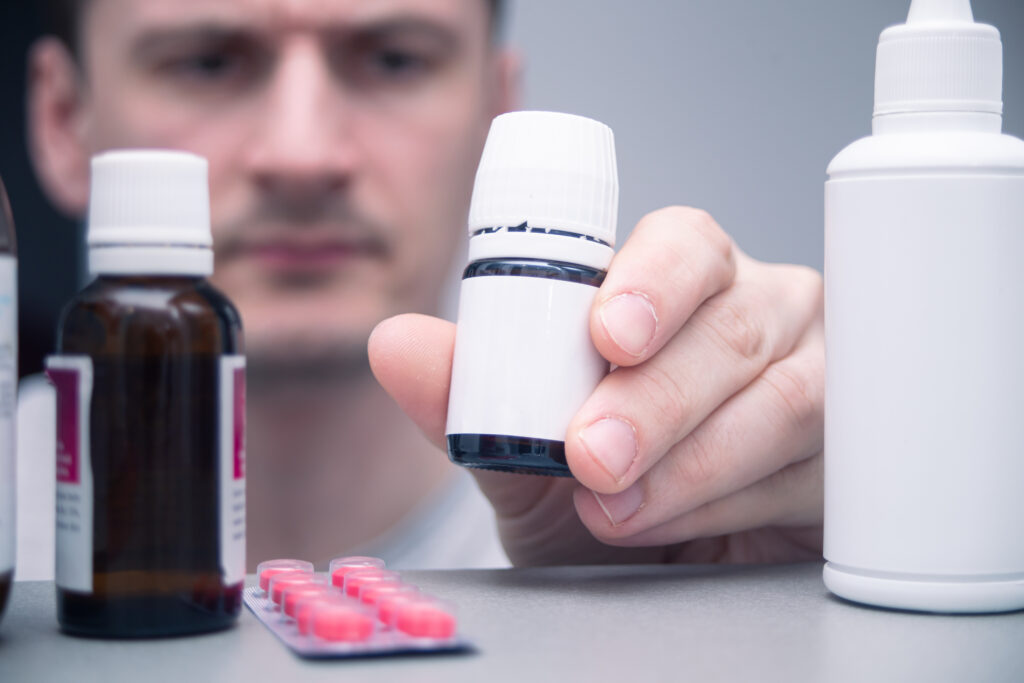
L'efficacité et la sécurité des médicaments diminuent avec le temps. Par conséquent, un médicament périmé peut ne plus agir comme prévu ou, dans certains cas, devenir chimiquement instable. Nous vous recommandons vivement de vérifier les dates figurant sur tous les emballages et de rapporter à votre pharmacien tout médicament dont la date de péremption est dépassée.
Les produits en vente libre, tels que les analgésiques, les médicaments contre le rhume et les remèdes digestifs, ont eux aussi une durée de conservation. Ce n’est pas parce qu’ils sont disponibles sans ordonnance qu’ils sont inoffensifs ; ils doivent eux aussi faire l’objet d’un suivi et être jetés lorsqu’ils ne sont plus nécessaires.
Méthodes de mise au rebut des médicaments en toute sécurité et programmes de reprise en pharmacie
Le moyen le plus efficace et le plus sûr de se débarrasser des médicaments consiste à recourir à un programme officiel de reprise des médicaments. Ces programmes sont spécialement conçus pour collecter et détruire en toute sécurité les médicaments dont on ne veut plus.
Points de collecte agréés
Nous vous encourageons à vous rendre dans votre pharmacie la plus proche. Les établissements PharmaChoix font office de points de collecte autorisés, garantissant que tous les médicaments collectés sont traités conformément aux réglementations environnementaux et de sécurité.
Programmes de collecte par retour postal
Dans certaines régions, des programmes de renvoi par courrier sont proposés pour certains types de déchets. Cependant, pour la plupart des patients, le moyen le plus simple et le plus fiable consiste simplement à rapporter leurs médicaments non utilisés à la pharmacie.
Méthodes d'élimination à éviter
Bien que certaines sources puissent suggérer des méthodes telles que le mélange de drogues avec du marc de café ou de la litière pour chat, nous déconseillons vivement ces pratiques. Ces méthodes ne garantissent ni la destruction complète ni la sécurité des médicaments. La meilleure solution pour protéger la santé et l’environnement consiste à nous les apporter directement.
Supprimer les informations personnelles des étiquettes des médicaments sur ordonnance
Avant de rapporter vos flacons, veuillez masquer ou retirer vos informations personnelles (nom, adresse, numéro d'ordonnance) afin de protéger votre vie privée. Quels sont les médicaments qui nécessitent une élimination particulière ?
Il est essentiel de garder à l'esprit que certains articles nécessitent des protocoles de manipulation spécifiques :
- Substances contrôlées : celles-ci doivent faire l'objet d'un suivi rigoureux et doivent être rapportées en pharmacie.
- Opioïdes, timbres et inhalateurs : ces produits peuvent être dangereux s'ils ne sont pas éliminés correctement; ne les jetez jamais à la poubelle.
- Objets tranchants et médicaments injectables : Les aiguilles et les seringues font l'objet d'exigences spécifiques en matière d'élimination afin de prévenir les blessures par piqûre chez les agents chargés de la gestion des déchets. Utilisez toujours un conteneur résistant aux perforations et renseignez-vous auprès de votre pharmacien sur les programmes locaux d'élimination des objets tranchants.
Élimination sécurisée des médicaments et protection de l'environnement
En évitant de jeter vos médicaments dans l'évier ou les toilettes, vous contribuez directement à prévenir le ruissellement de produits pharmaceutiques. Nos stations d'épuration sont conçues pour traiter les déchets humains, et non pour décomposer les substances chimiques; il est donc essentiel d'empêcher les médicaments de se retrouver dans les égouts.
Protection de la faune sauvage et des écosystèmes
Réduire la quantité d'hormones de synthèse, d'antibiotiques et d'autres substances chimiques présentes dans notre eau contribue à préserver le fragile équilibre de nos écosystèmes naturels.
Réduire la contamination par les produits pharmaceutiques
L'action collective fait la différence. Lorsque tous les membres de la communauté s'engagent à éliminer leurs médicaments de manière professionnelle, nous réduisons collectivement le fardeau que représentent les médicaments pour notre planète.
Conseils pour une élimination sécuritaire des médicaments, à l'intention des familles et des soignants
Vérifiez régulièrement ce que contient votre armoire à pharmacie
Programmez un rappel régulier (par exemple tous les six mois) pour passer en revue tous les médicaments que vous avez chez vous. Jetez ceux qui sont périmés ou dont vous n'avez plus besoin.
Conservez les médicaments en lieu sûr avant de les jeter
En attendant de pouvoir vous rendre à la pharmacie, conservez tous les médicaments dans leur emballage d'origine, dans un endroit frais et sec, hors de portée des enfants.
Sensibiliser les enfants et les membres de la famille
Prenez le temps d'expliquer pourquoi les médicaments sont conservés sous clé ou pourquoi ils doivent être rapportés à la pharmacie. La sensibilisation constitue la première ligne de défense pour prévenir toute ingestion accidentelle.
Stratégies de prévention pour l'élimination sécuritaire des médicaments
- Ne conservez que les médicaments indispensables : Ne conservez pas de comprimés « au cas où » vous tomberiez malade à l'avenir.
- Surveillez les dates de péremption : Tenez une liste simple de vos médicaments et de leurs dates de péremption.
- Profitez des événements communautaires de collecte : participez aux événements locaux qui vous sont offerts, mais n'oubliez pas que votre pharmacie est à votre disposition toute l'année.
- Veillez à bien ranger vos médicaments : utilisez une boîte ou un bac dédié pour que tout reste bien rangé et facile à vérifier.
Quand dois-je jeter mes médicaments ?
- Quand les médicaments arrivent à date limite d'utilisation : c'est la raison la plus courante.
- En cas de modification de la prescription : Si votre médecin a modifié votre traitement, l'ancien médicament n'est plus adapté.
- Après s'être remis d'une maladie : ne conservez pas les « restes » d’antibiotiques ou d’analgésiques.
- Lorsque les médicaments sont endommagés ou contaminés : Si les étiquettes ont disparu, si leur aspect a changé ou s'ils ont été exposés à une chaleur ou à une humidité extrêmes.
Foire aux questions
Quelle est la manière la plus sûre de se débarrasser des médicaments non utilisés ?
La méthode la plus sûre et la plus recommandée consiste à le rapporter à votre pharmacie locale afin qu'il soit éliminé par des professionnels.
Puis-je jeter les vieux médicaments à la poubelle ?
Non, cela n'est pas recommandé. Cela présente des risques pour l'environnement et augmente les risques d'ingestion accidentelle ou de vol.
Pourquoi ne faut-il pas jeter les médicaments dans les toilettes ?
Le fait de jeter des médicaments dans les toilettes introduit des contaminants dans notre réseau d'approvisionnement en eau, ce qui peut avoir des répercussions négatives sur la vie aquatique et la qualité de l'eau.
Où puis-je trouver un point de collecte de médicaments près de chez moi ?
La plupart des pharmacies de proximité, y compris votre pharmacie locale PharmaChoix, sont équipées pour gérer ces retours en toute sécurité.
Points clés à retenir concernant l'élimination sécurisée des médicaments
La santé de votre famille et celle de notre communauté sont étroitement liées. En choisissant d'éliminer vos médicaments de manière responsable, vous protégez vos proches contre les intoxications accidentelles, vous préservez la pureté de notre eau et vous prévenez l'usage abusif des médicaments sur ordonnance. Nous vous expliquons ici pourquoi cela est important, quels sont les risques liés à une élimination inappropriée et quelles sont les méthodes les plus fiables pour vider votre armoire à pharmacie.
N'oubliez pas que la meilleure chose à faire est d'apporter vos médicaments inutilisés, périmés ou endommagés à votre pharmacie locale. Nous sommes formés pour traiter ces produits en toute sécurité et veiller à ce qu'ils soient détruits dans le respect de l'environnement.
Prenez quelques minutes aujourd’hui pour faire le point sur votre armoire à pharmacie. Si vous y trouvez un produit qui n’a rien à y faire, emballez-le et passez nous le voir pour en discuter. Demandez conseil à votre professionnel de santé à la pharmacie la plus proche PharmaChoice la plus proche de chez vous, et obtenez dès aujourd’hui les bons conseils pour éliminer vos médicaments !